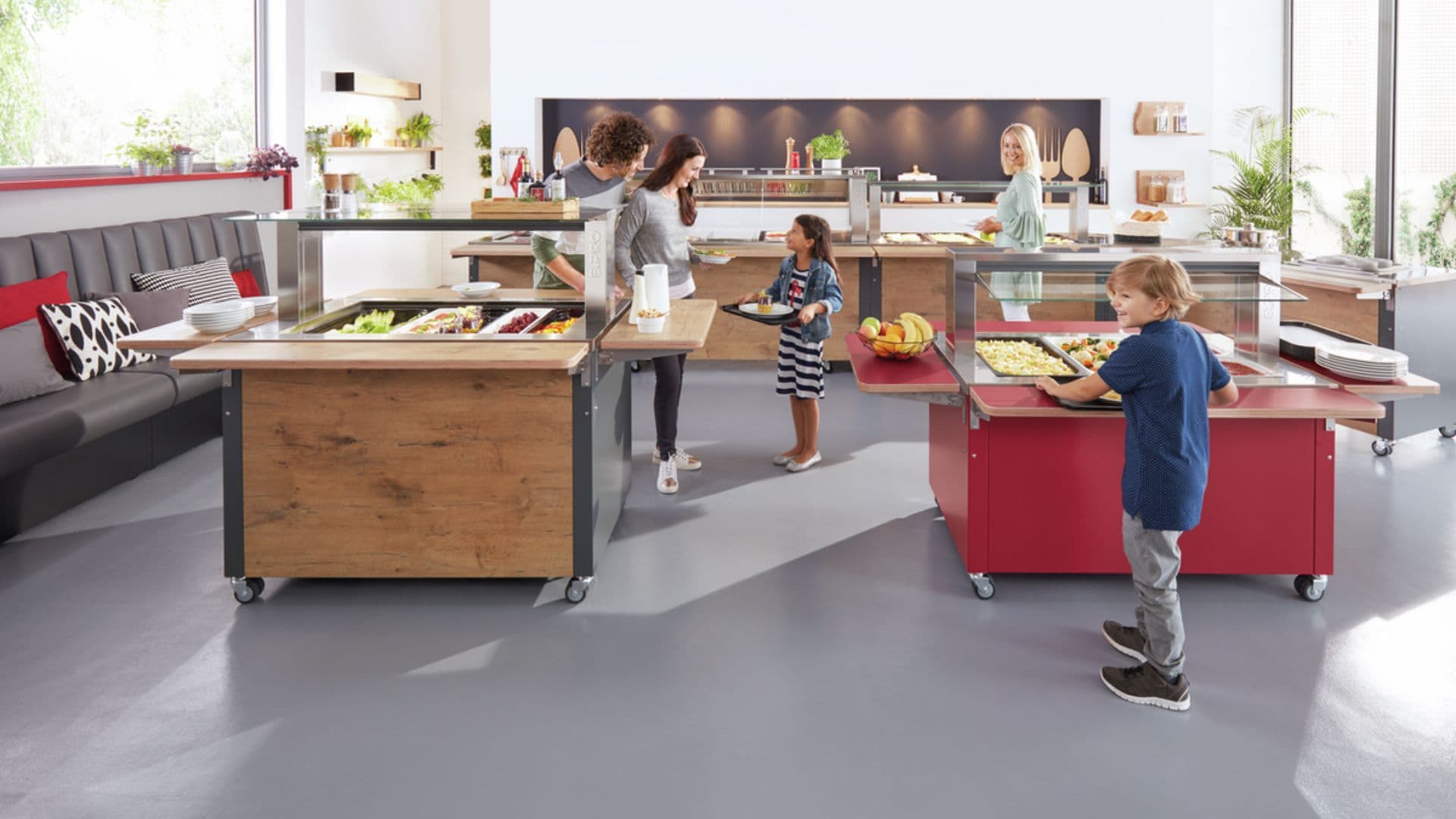
Five ways to use hotel breakfasts as a revenue driver
Breakfast has become an important decision-making criterion for hotel guests. Whether a city break, business trip or family vacation: any hotel that scores well in the morning will enjoy a real competitive advantage. The diversified B.PRO portfolio combines efficient process reliability with high-quality user experiences.
Lukewarm coffee, limp toast and overly sweet jam from a plastic container? These days, hardly any hotel can get away with things like this. When in a new environment, both tourists and business travellers seek a feeling of being welcomed, as well as a sense of routine and reliability. The morning buffet is therefore often the key in terms of how a stay will be remembered, especially when it is the last meal before check-out. This is precisely where the strategic power of breakfast lies: it combines emotional comfort and security with the quality pledge of the hotel brand.
Trends, figures and strategies for hotel breakfasts
As industry analyses show: breakfast is one of the three most important criteria when choosing a hotel. Indeed, Over 80% of travellers even base their booking decision on whether breakfast is included. The quality of the breakfast offered also significantly influences guest satisfaction, the rebooking rate and online reviews – leading to greater visibility and revenue.
For hotel managers, the question is therefore no longer whether breakfast is relevant. Instead, the key is determining how this experience can be implemented in an appealing, economical and reliable way in the face of staff shortages and increased costs.
Here are 5 ways:
1) Making breakfast an experience – front cooking as a differentiating factor
Front cooking makes quality immediately tangible. Guests choose their own ingredients, see them being prepared and experience freshness instead of pre-warmed food. This creates trust – and sets the breakfast apart from standard buffets.
Large hospitality trend analyses from 2025 also show that, in addition to individuality and quality, the experience factor is a key driver of the guest's overall perception. Visible preparation contributes precisely to this: it combines product quality with interaction.
Benefits for guests:
- Individual selection
- Transparent preparation
- Personal contact
Benefits for the hotel:
- Demand-driven production
- Structured processes during peak times
- Higher margin due to willingness by customers to pay more
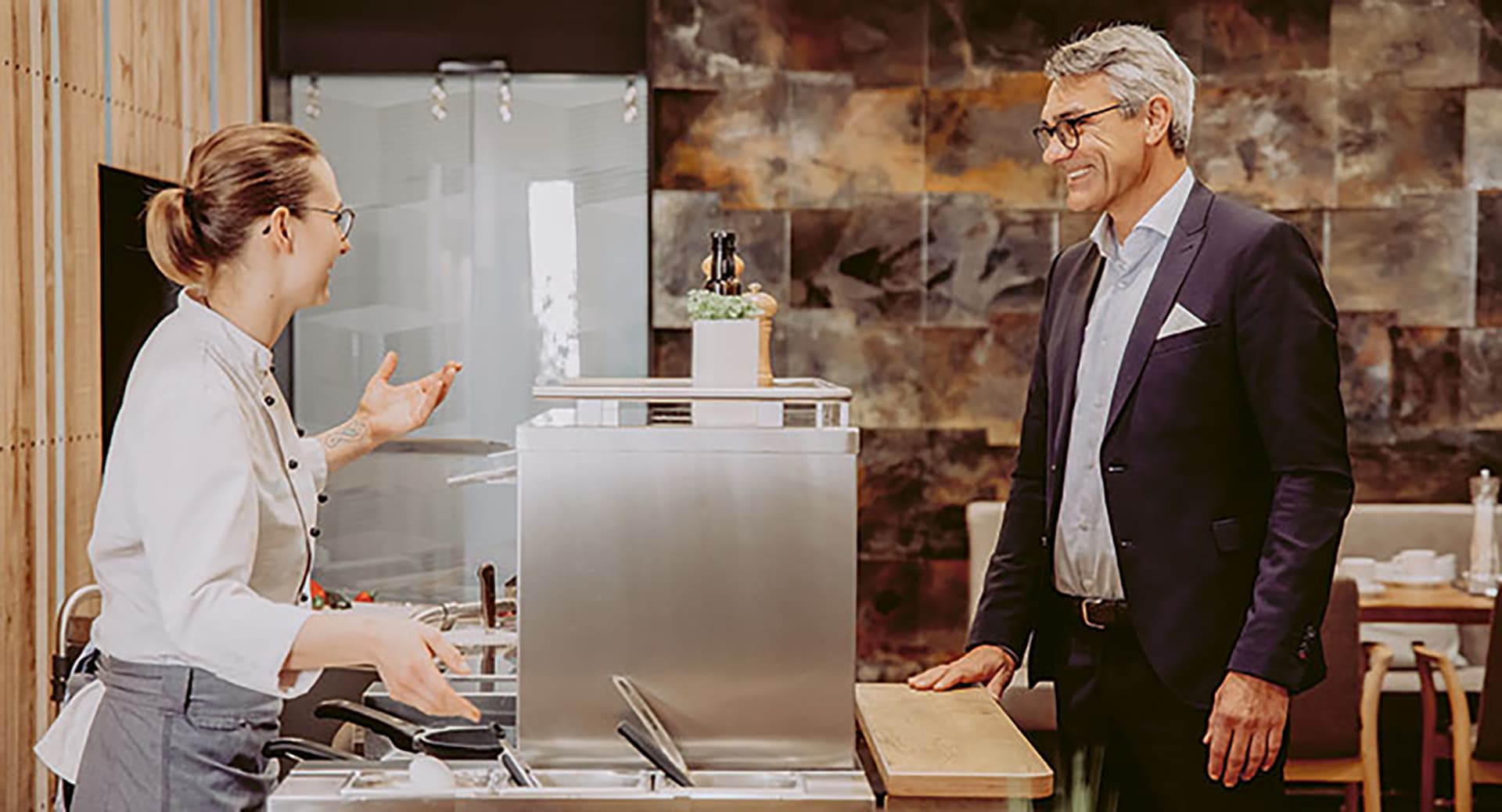
Mobile cooking stations like the B.PRO COOK classic for permanent use or the flexibly positionable B.PRO COOK I-flex integrate front cooking into existing concepts without costly modifications. Thanks to a wide selection of table-top cooking units, almost every culinary wish can be fulfilled – transforming congress and conference catering into a real experience.
2) Structuring processes – planning buffets intelligently
The classic catering concept in hotels remains the buffet. Here, guests can help themselves to their heart's content, which caters to their need for individuality. This makes it all the more important to focus on efficiency when planning the serving line, as aspects such as long waiting times can significantly compromise the guest experience.
Success factors:
- Intuitive arrangement
- Clear zoning of hot and cold areas
- Ergonomic access heights
- Relief of congestion at heavily frequented stations
- Sufficient space for staff and guests to move around
B.PRO supports hotels not only with products, but also with planning expertise. Together with those in charge, the team analyses the room structure, guest volume and operational processes.
The modular BASIC LINE food serving line forms the technical basis for this. Various widths, cooling and heating modules, as well as neutral elements, allow for precise customisation to individual requirements.
3) Food presentation – reliable, high-quality and “instagrammable”
Current breakfast trends are characterised by healthy and fresh options. Bowls, home-made yogurt variations, whole grain baked goods or regional ingredients are no longer considered niche, but rather expected. At the same time, the demand for special options – gluten-free, vegan or low carb – is on the rise.
Selecting and presenting items in an attractive way also offers a valuable opportunity, as breakfast today is more visible today than ever. A colourfully arranged porridge bowl is photographed and shared – in social media stories, as well as online reviews. This visual multiplier effect remains an underestimated marketing lever for many hotels.

However, it is not just the idea that matters, especially when it comes to sensitive new products and services. Consistent implementation in everyday life is also crucial. Variety demands control: stable temperature control, calm restocking and a consistently well-maintained appearance.
A systematic approach pays off here. Modular buffet solutions, such as the BASIC LINE, combine attractive product presentation with stable processes. Cooling and heating modules ensure constant conditions, while flexible GN containers facilitate a structured, clear and organised loading process.
In the case of the convection-cooled BASIC LINE UK, for example, the cooling tray consists of individual, easily removable elements. These are not only easy to clean, but also simplify handling during operations. At the same time, the height of GN containers can be varied and they can be inclined at an angle.
4) Food service for everyone – child-friendly and inclusive
In 2025, a representative study was published that addressed the needs of travelling families. Around three quarters of the parents surveyed cited child-friendliness as the most important factor when choosing their travel destination – and therefore also when choosing their accommodation.
Child-friendliness is also evident at breakfast. Can the little ones reach the food independently? Are the processes clearly structured? Or do parents have to dedicate time and energy to organising things?
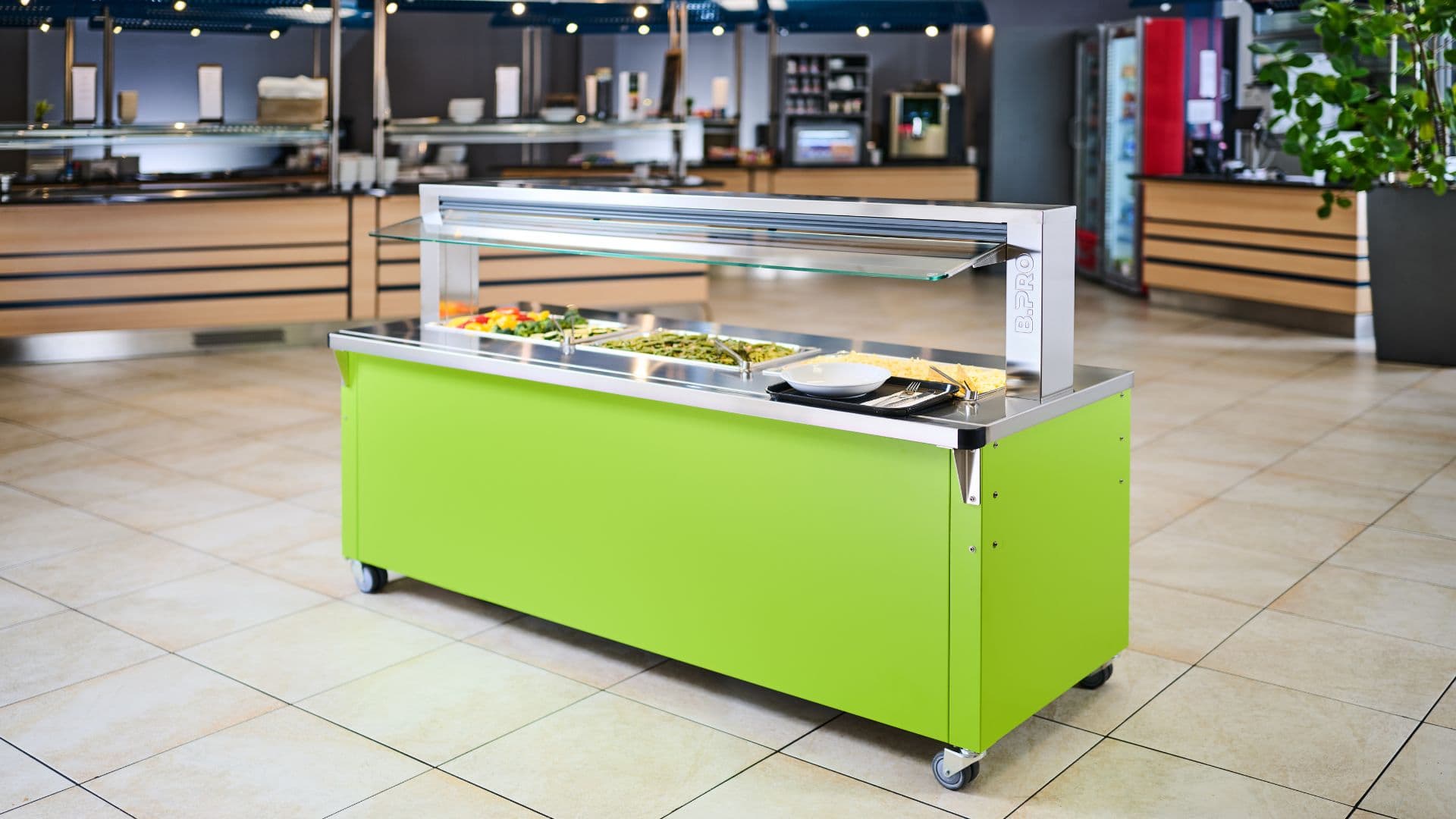
A food service area tailored to various body sizes and requirements directly addresses this expectation. With the BASIC LINE Kids diagonal, B.PRO offers a heated servery counter that is specifically designed for young guests – and which also works for wheelchair users. A serving height of 750 millimetres, ergonomic spacing and the fact that food can be served from both sides simplify independent access and can speed up serving. This strengthens independence, reduces barriers and relieves the burden on service staff.
5) Creating an atmosphere – breakfast as part of the brand identity
A successful breakfast impresses not only thanks to its selection and execution, but also the effect of the dining area. Lighting, materials, colours and lines shape the first impression in the morning – and thereby also the feeling that guests associate with the hotel.
A coherent overall image strengthens brand perception here. Integrating breakfast design into the corporate identity creates recognition and differentiation. The buffet is then no longer perceived as a functional station, but rather as part of the hotel experience.
Modular systems like the BASIC LINE allow this creative freedom to be expressed. Individual decors, various materials and the 12 B.PRO colours allow for adaptation to the respective design concept – from urban business hotels to family-oriented holiday resorts.
Conclusion
Today, hotel breakfast is far more than just a service – it is an experience, a brand message and a revenue driver all at once. Those who consistently consider atmosphere, processes and target groups as a whole generate a clear competitive advantage. This makes the morning a strategic success factor for long-term guest loyalty and economic stability.
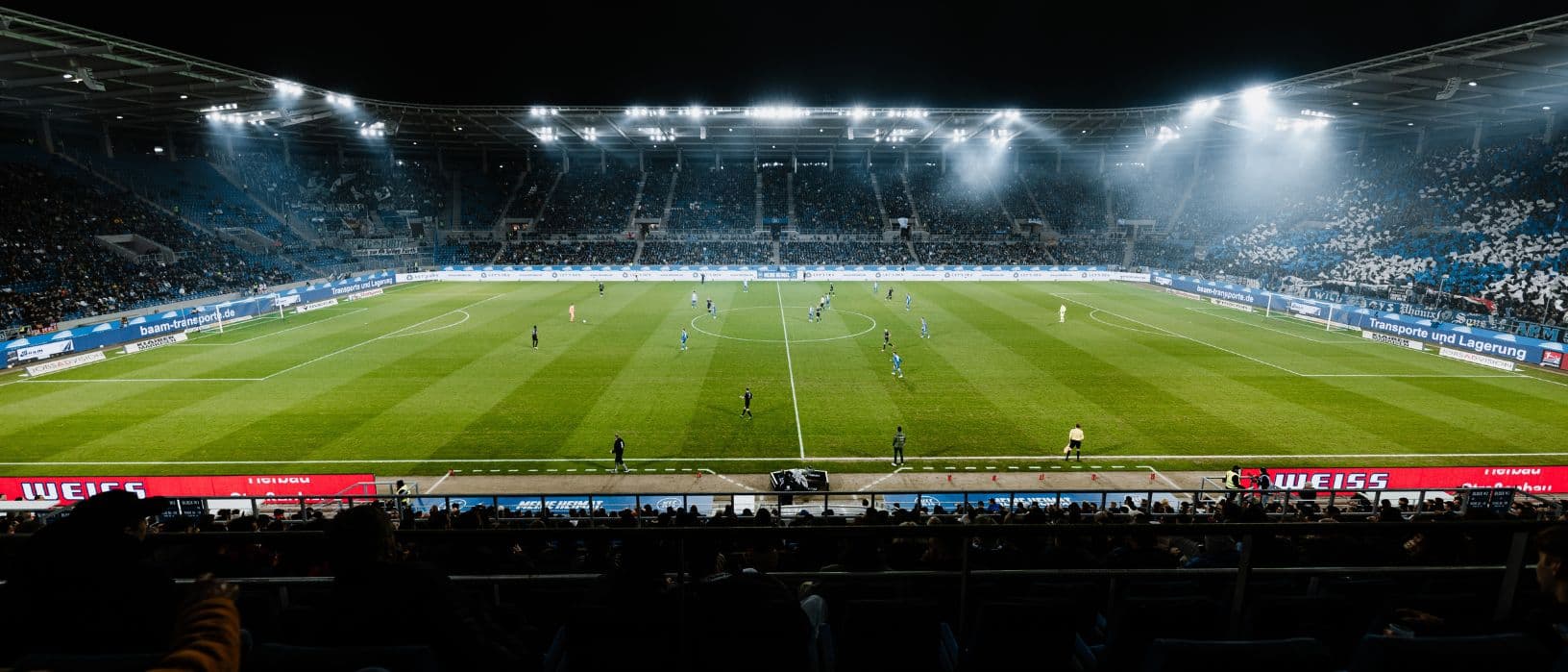 B.PRO and football – a perfect team effort
When the whistle blows in the stadium, a logistical masterstroke begins behind the scenes: Kitchen teams have to cater for hundreds or even thousands of guests at very short notice, reliably and flexibly. B.PRO has been supplying the right catering equipment for this for years and has thus established itself as a sought-after partner in professional football
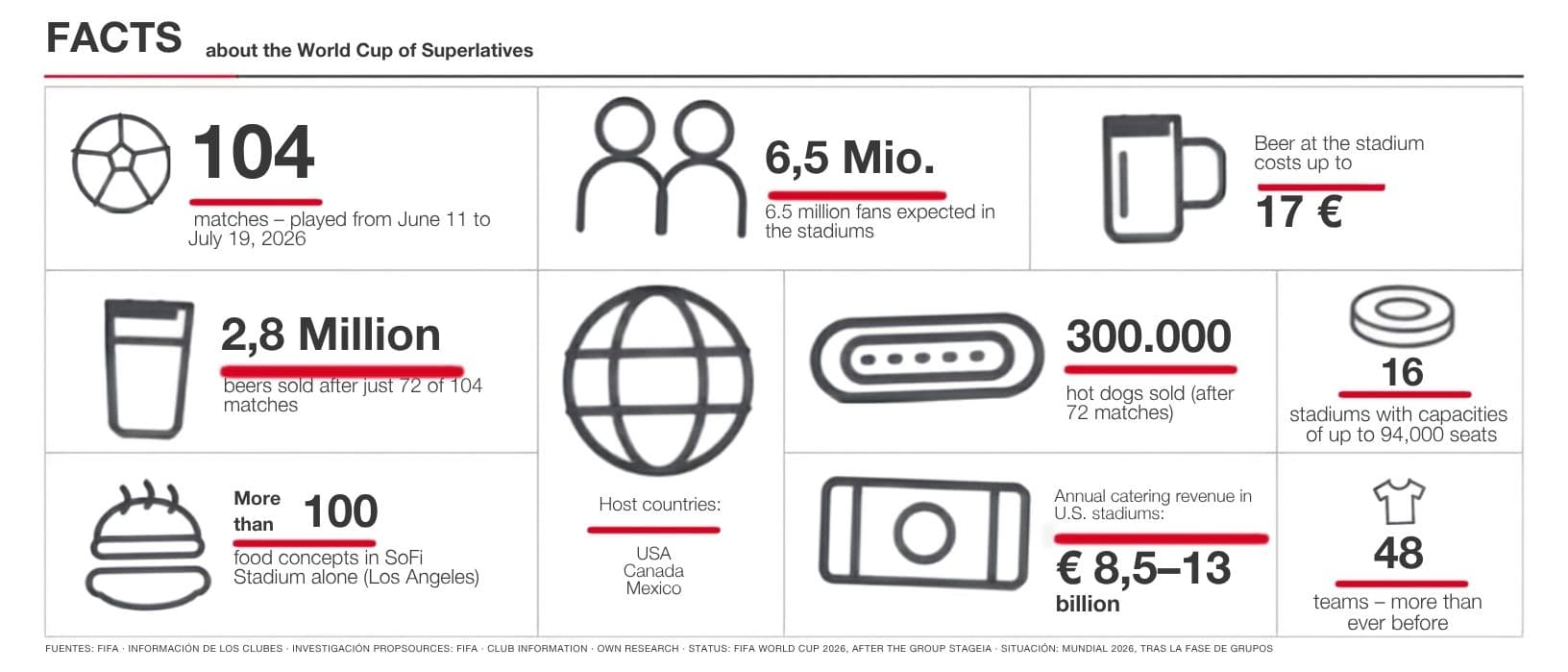 World Cup catering in numbers
104 matches, three countries, more fans in the stadiums already than expected: The 2026 World Cup is the biggest football tournament in history – and in catering and hospitality too, new benchmarks are currently being set there. B.PRO provides an overview of the key figures and facts on World Cup catering
 World Cup 2026 - Challenges and Opportunities in event catering
The 2026 FIFA World Cup is intensifying a trend that has long been noticeable in event catering. Factors such as fluctuating guest numbers and rising costs turn every event into an operational calculation exercise. But there are solutions