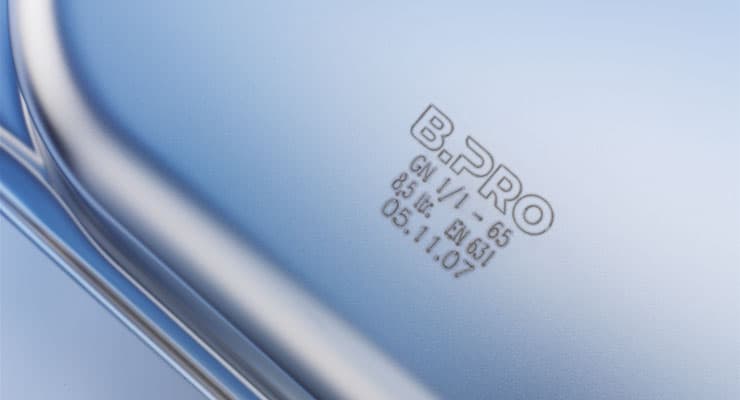
Gastronorm containers - Episode 4: Practical tips on stacking, cleaning and long-term use
On our journey through the fascinating world of Gastronorm containers (here the first, second and third instalment of the blog series instalment of the blog series) should have made it clear: The clever all-rounders made of stainless steel or plastic are an investment for every professional kitchen that pays off many times over. Especially if the GN containers are handled with care, stacked properly and cleaned professionally. This is what the fourth and final instalment of the blog series is all about.
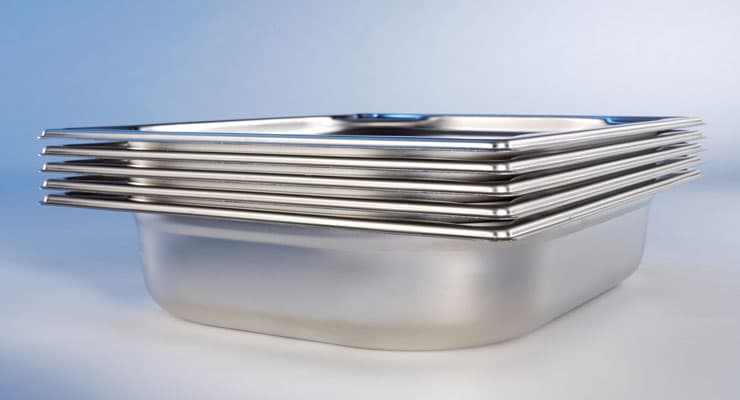
What should I bear in mind when stacking GN containers?
There is space in even the smallest kitchen - at least when Gastronorm containers are in use. When full, they can be stacked efficiently thanks to the precisely fitting lids, whether on the worktop or in the fridge. And when empty, they disappear compactly and inconspicuously, for example on the base of the stainless steel table or on the shelf.
But beware: Gastronorm is not always the same as Gastronorm. As we read in episode 3 of the blog series, the inner radii of the containers differ depending on the manufacturer, which can lead to annoying tilting or make stacking completely impossible. Therefore: For maximum flexibility and stress-free stacking, it is best to only use products from a single manufacturer.
GN containers also reach their limits at some point. Always keep an eye on stability when stacking empty containers high. And a non-slip stand is particularly important for filled containers.

What is important when cleaning and caring for Gastronorm containers
There's no question that thorough cleaning is essential after every use of a GN container. Most containers can be easily cleaned in the dishwasher, otherwise warm water and soap will do the trick.
A tip: Food residues should be rinsed out immediately after use to prevent them from drying on. If more stubborn residues do get stuck on, soapy water soaking the dirt in it will also help.
Scouring agents and other abrasive cleaning agents, as well as sharp and pointed objects, should not be used to remove food residues. They can scratch the material and cause hygiene problems.
Speaking of hygiene: Empty GN containers should be thoroughly dried after cleaning and before stacking or reuse. If this is not done, there is a risk of moisture creating a breeding ground for germs.
The service life of the GN containers and the wear test
Gastronorm stainless steel containers in particular can provide many years of service if they are used and maintained properly.
Every now and then, however, it is time to replace them if the rigours of everyday kitchen life have left particularly noticeable marks. To ensure that all containers are fit for use, they should be checked regularly for critical damage such as large dents, deep scratches or even rust spots.
If the worst comes to the worst, replacements can be procured quickly and fit seamlessly into the existing stock. The GN standard shows its unbeatable strengths here too: maximum flexibility and almost limitless combinability. An invention for the ages.
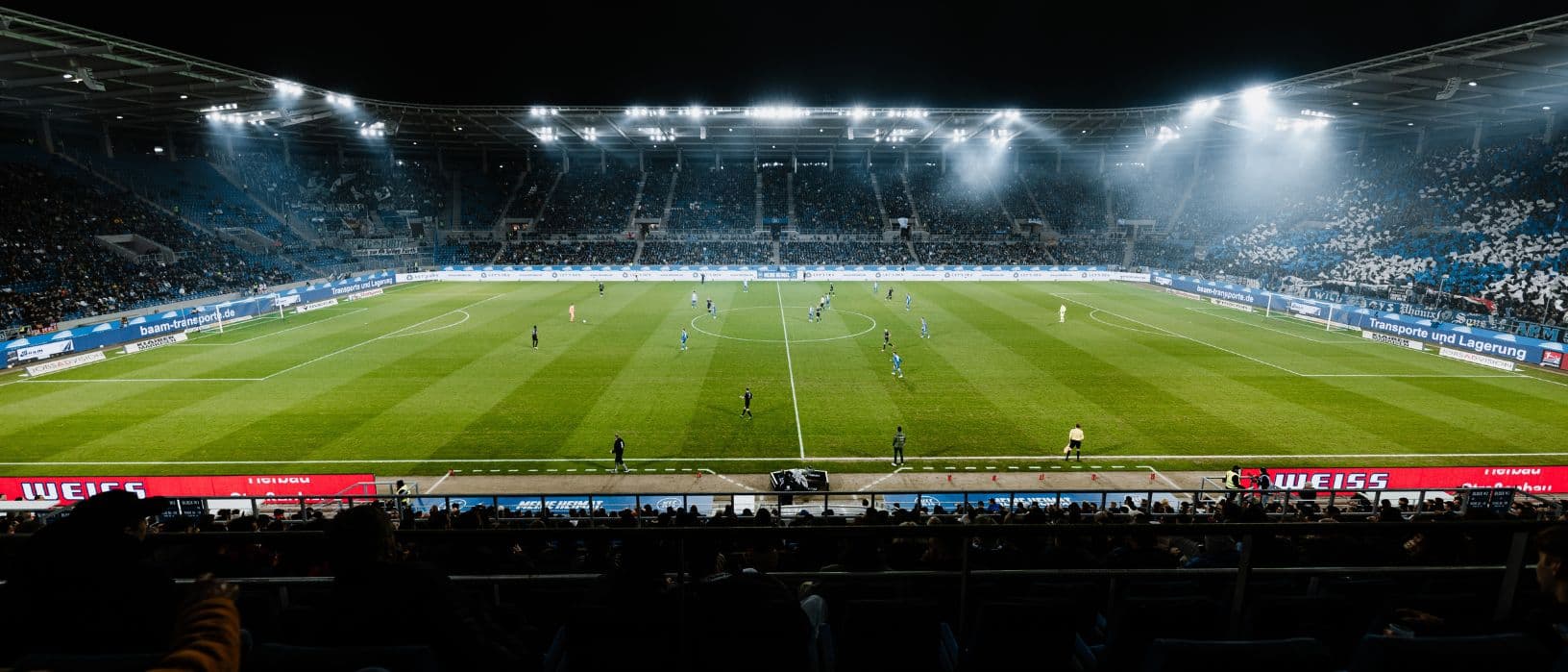 B.PRO and football – a perfect team effort
When the whistle blows in the stadium, a logistical masterstroke begins behind the scenes: Kitchen teams have to cater for hundreds or even thousands of guests at very short notice, reliably and flexibly. B.PRO has been supplying the right catering equipment for this for years and has thus established itself as a sought-after partner in professional football
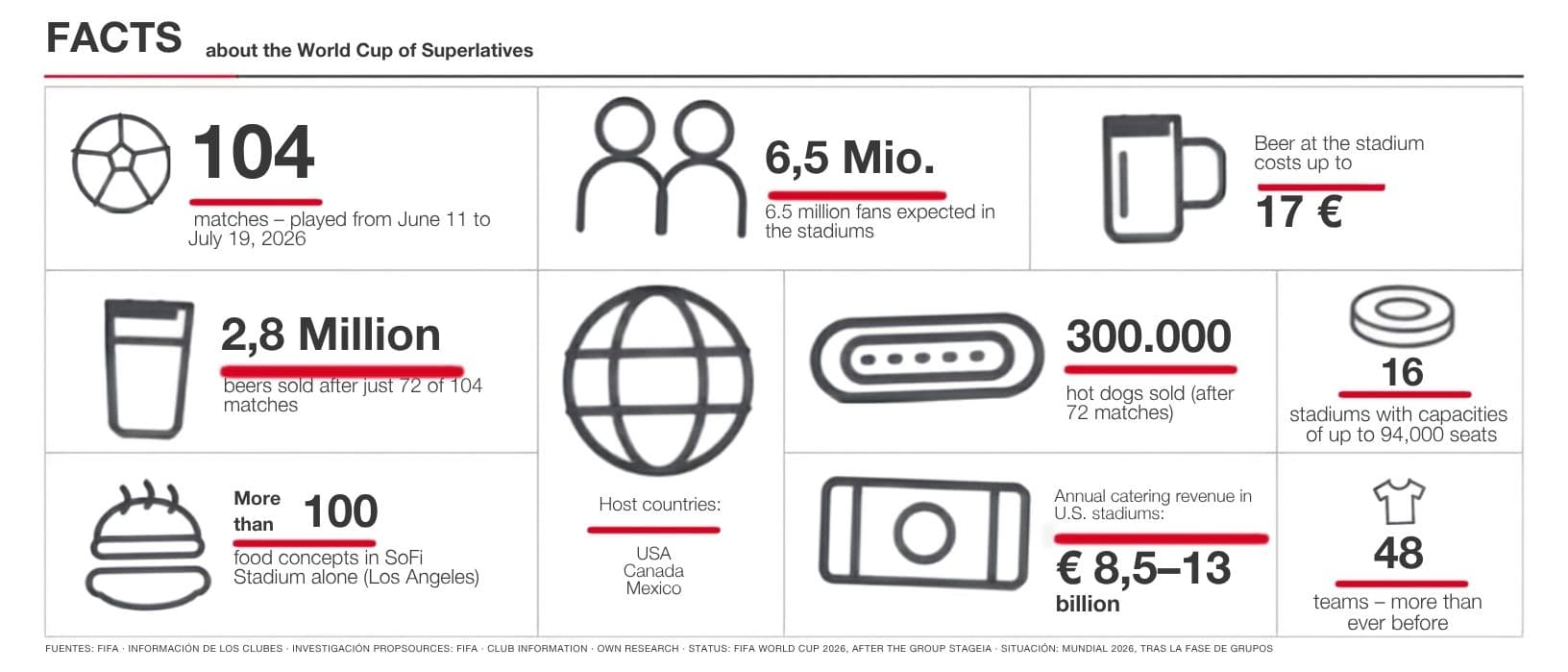 World Cup catering in numbers
104 matches, three countries, more fans in the stadiums already than expected: The 2026 World Cup is the biggest football tournament in history – and in catering and hospitality too, new benchmarks are currently being set there. B.PRO provides an overview of the key figures and facts on World Cup catering
 World Cup 2026 - Challenges and Opportunities in event catering
The 2026 FIFA World Cup is intensifying a trend that has long been noticeable in event catering. Factors such as fluctuating guest numbers and rising costs turn every event into an operational calculation exercise. But there are solutions