“We decide many things intuitively”
The 2026 FIFA World Cup is intensifying a trend that has long been noticeable in event catering. Factors such as fluctuating guest numbers and rising costs turn every event into an operational calculation exercise. But there are solutions.
Business is booming. When the ball starts rolling at events like the FIFA World Cup, things have been especially lively at Karlsruhe’s “Vogelbräu” for more than 40 years, and the locations in Durlach and Ettlingen benefit as well. In these weeks too, quite a few fans are once again coming to owner Rudi Vogel to watch the matches together. However, the restaurateur never knows exactly in advance how big the rush will be. “We decide many things depending on the situation,” he explains.
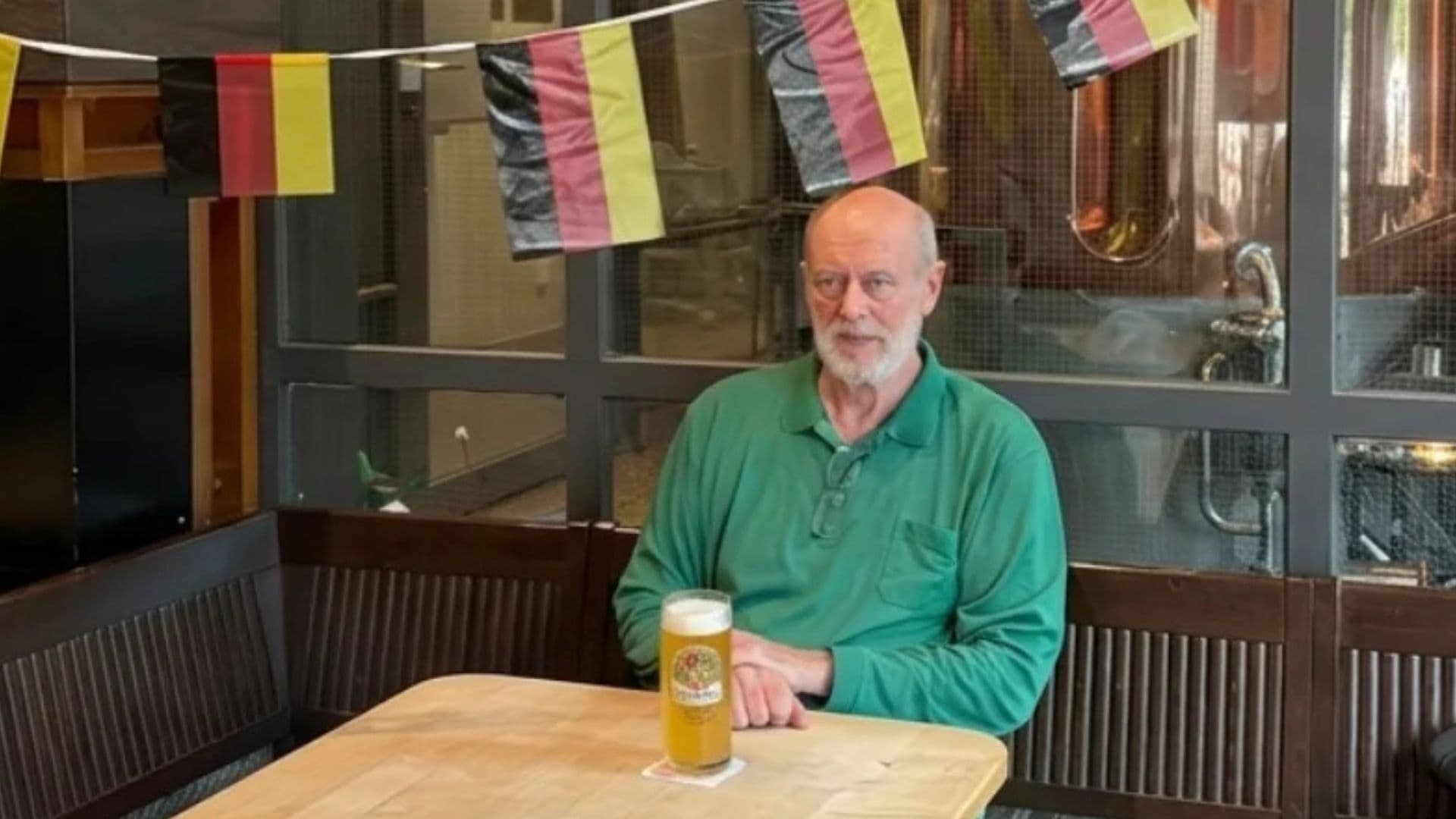
Rudi Vogel and his team are not alone in this. The 2026 World Cup brings some uncertainties to planning due to special framework conditions. For gastronomy and event catering, this means: Not every event that would in principle be possible can also be calculated reliably.
Many uncertainty factors did not arise only with the World Cup, including rising costs, fluctuating guest numbers and, not least, the weather. Good planning remains the foundation. But increasingly, the crucial factor is the flexibility of those responsible. It begins with adaptable concepts and extends all the way to catering equipment.
Soccer tournaments – not always a reliable basis for calculation
The fact that a major soccer tournament does not automatically mean ringing cash registers was already shown by UEFA Euro 2024 on home soil. According to a DEHOGA survey, only around 8 percent of the participating businesses reported positive momentum from the tournament. At the same time, the feedback varied greatly depending on location and concept: Pubs, bars and beer gardens, for example, reported positive effects significantly more often.
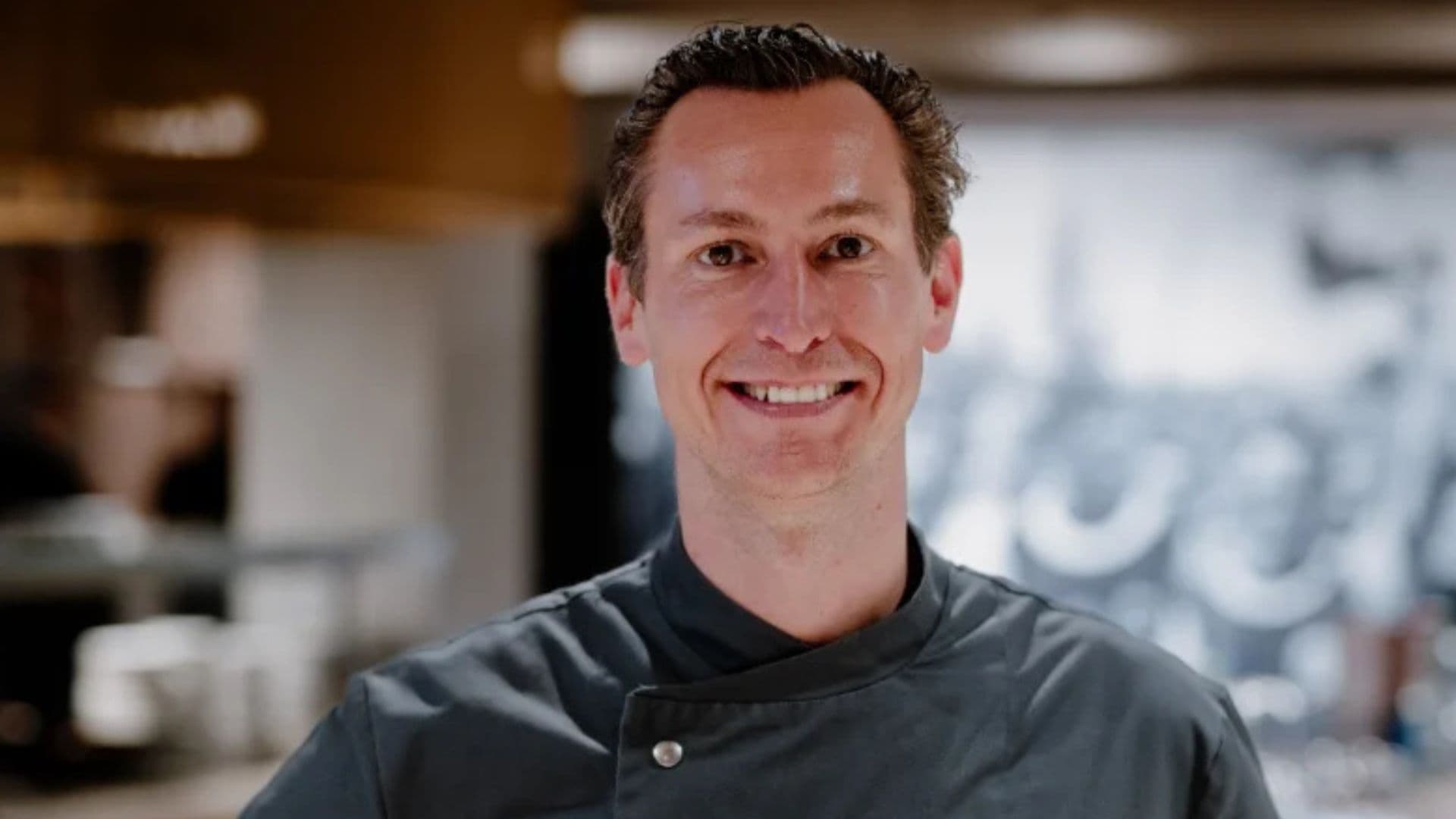
For the 2026 World Cup, additional challenging conditions come into play: A particularly high proportion of matches, compared with earlier tournaments, will take place during the German night. “The crucial point is the kick-off times,” confirms Sebastian Holy, operations manager and culinary director of “WildparkTaste – Made by Traube Tonbach”, the caterer of Karlsruher SC at BBBank Wildpark. The FIFA World Cup, actually a perfect setup for the hospitality industry, hardly plays any role in his business. “What would work well in mild summer weather during the day or early evening sometimes does not take place until late in the evening or in the middle of the night. That changes the calculation considerably.”
For many of his colleagues in the hospitality industry, aspects such as the weather would also have a negative impact, as it can spoil any match shown outdoors. Costs for weatherproof setups as well as for technology, additional staff or licenses would be added. “That is why,” says Sebastian Holy, “many ask themselves very soberly: Why should I still set up televisions at 10 p.m. if I may only be allowed to serve drinks until 11 p.m.?”
Public viewing is a matter of local consideration
Although the German government had paved the way for cheerful outdoor soccer nights with special rules, the decision was made locally. Cities and municipalities each had to weigh up how public interest in the matches could be reconciled with nighttime quiet hours. For the “Vogelbräu” in Ettlingen, for example, it quickly became clear that for matches starting at 11 p.m., celebrating outdoors would be allowed until half an hour after the end of the match. The city of Karlsruhe waited until shortly before Germany’s first match to give a final response.
Rudi Vogel takes all the uncertainties mentioned so far with Baden composure. For many restaurateurs, organizers and caterers, however, this creates a calculation problem: On the one hand, an attractive match can bring additional revenue. On the other hand, the effort involved, permits, guest volume and profitability depend heavily on the specific location, the time and the format. This uncertainty affects businesses whose financial leeway has become tighter anyway.
When safety buffers become too expensive
In a DEHOGA survey at the start of 2026, around three quarters of the businesses surveyed named personnel costs as the biggest burden factor. Just under two thirds each pointed to food and beverage costs as well as energy costs.
At the same time, DEHOGA reported that in the hospitality industry, real revenue in the first quarter of 2026 was 5.1 percent lower than in the same period of the previous year, while nominal revenue was 2.1 percent higher. For event catering, this often means: More goods, more staff or additional serving points cannot simply be planned in as safety buffers.
Fluctuating demand and lack of commitment
In addition to industry-wide consumer restraint, no-shows and last-minute cancellations are also a factor. Sebastian Holy notes: “If 150 people are registered for an event, around ten percent are usually absent on the day of the event.” For caterers, this can be immediately relevant: Goods have been purchased, staff scheduled, processes prepared.
Industry data also show how heavily businesses are burdened by a lack of commitment. A DEHOGA-NRW survey of 250 restaurateurs, caterers and hoteliers from December 2025 found: Around 87 percent of respondents know no-shows from their own experience. Around 60 percent of the affected companies reported revenue losses of up to five percent, with other businesses reporting even greater damage. Almost two thirds reported that the problem had worsened noticeably in recent years.
Adjustments are made when needed
How can people still act at all under such conditions? For many, a mix of experience, good planning and flexibility is the solution.
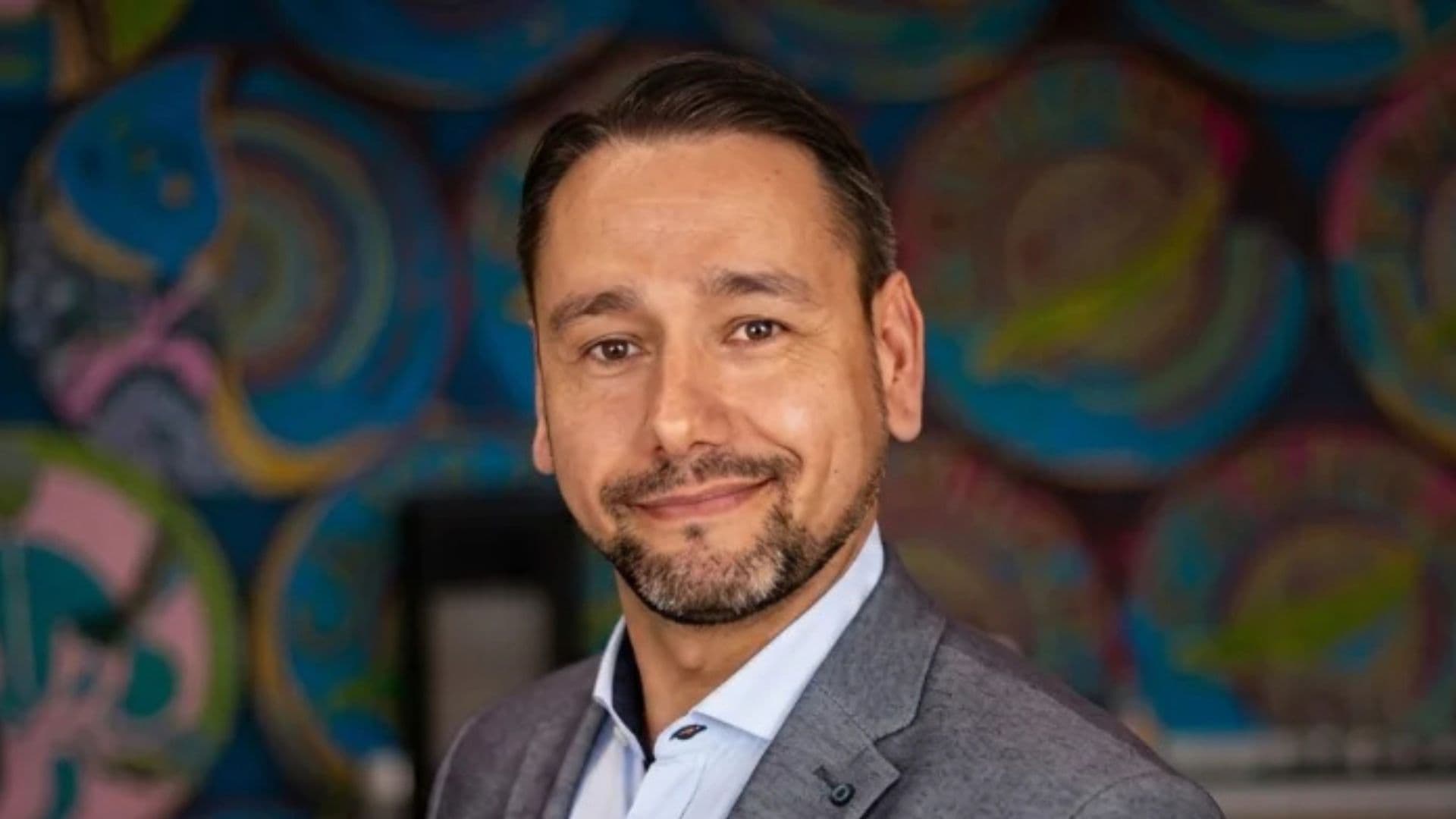
Martin Vonhof, head of retail sales and authorized signatory at Lacher Großküchen GmbH, confirms this. Up to shortly before the start of the World Cup, he had still not noticed any unusually high demand for hospitality supplies, furniture, catering equipment & co. “Instead, our customers tend to rely on existing concepts and respond depending on the situation,” he notes. “Short-term decisions generally increase at events like these. Especially under uncertain conditions, many things are only finalized or adjusted very late.”
This is also the strategy Rudi Vogel follows. His Vogelbräu in Karlsruhe has around 150 seats inside and about 200 in the beer garden when fully occupied. He never calculates up to the theoretical maximum quantity. “You shouldn’t be more Catholic than the Pope,” he says. If something runs out for once, “then that is just how it is. Drinks are not a major issue, because as a brewery we are stocked accordingly.” More discretion is needed when it comes to food, especially with regard to how the tournament unfolds. “If Germany reaches the semifinals, for example, we stock up correspondingly more.”
What matters, then, is less the one perfect plan than the ability to make quick adjustments when needed – including on the perennial issue of weather, which so strongly affects the revenues of outdoor hospitality during the warm season. Rudi Vogel now benefits from decisions that originally date back to the coronavirus period. Large parts of his beer garden are equipped with awnings, and the televisions are also protected. “This allows us to respond much more flexibly in changeable weather and means we do not have to move every match indoors immediately.”
Hotel sports bar with a manageable format

Jens Block, director at Ibis Styles Tübingen, however, does not see this as a major problem. His hotel has a sports bar with around 50 outdoor seats and 120 indoor seats. If it rains, the matches continue to be watched indoors – with pulled beef burgers, spare ribs or loaded nachos. He is convinced there will always be enough of that available for the World Cup. “We generally have enough goods in-house.” So here too, additional goods are not tied up for every conceivable scenario – even though the bar welcomes 80 percent external guests. The format is also deliberately manageable: The sports bar opens at 3 p.m., matches at 10 p.m. are still shown, but matches at three or four in the morning are not.
Room to maneuver for caterers and clients
Sebastian Holy from “WildparkTaste” relies on culinary concepts that leave room to maneuver. One important building block is the “chef’s choice menu.” In this case, the menu is not finalized weeks in advance, but is put together according to the day’s purchases, the season and current goods prices. The specific proposal goes to the client one to two days before the event.
For event organizers, this is often a relief as well. They do not have to commit early to a rigid menu and can still accommodate different needs. Dishes such as poussin breast or roast beef suited many occasions, and vegetarian and vegan alternatives could be added. This model is especially helpful at events with cancellations or no-shows, as it allows purchasing and production to be managed more effectively. The more flexible the menu and the better parallel events can be coordinated, the lower the risk of unnecessary overproduction.
Equipment as a key factor in event catering
As event catering becomes harder to plan, catering equipment is also coming more sharply into focus. What is needed are modular set-ups that can be quickly adapted to different situations. This brings several criteria to the forefront: Equipment should be mobile, enable different serving formats, transport food safely and, if necessary, allow for late finishing. The later dishes can be finalized, the better it is possible to respond to actual demand.
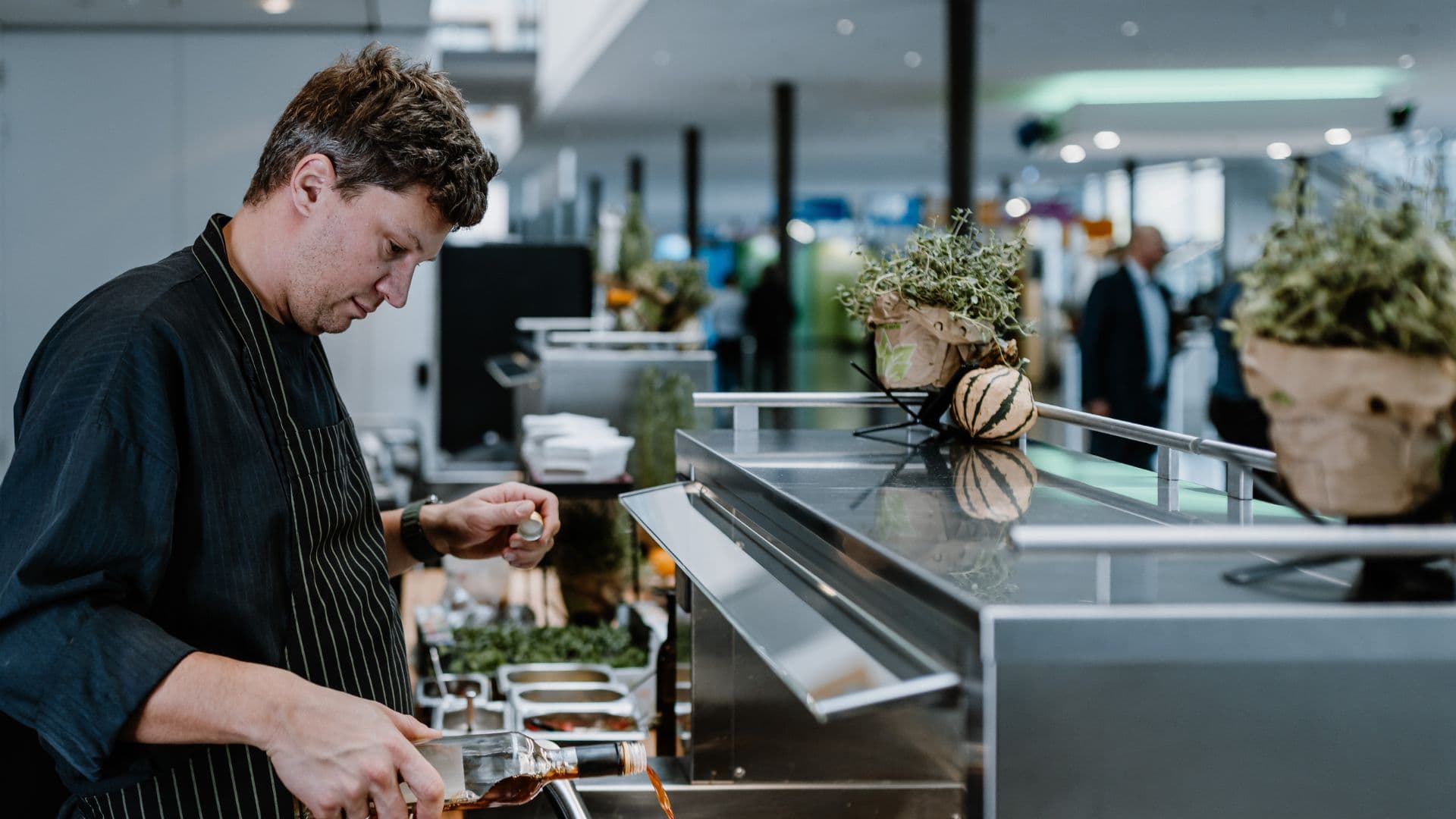
Sebastian Holy sees it similarly in practice. For him, the B.PRO COOK cooking stations are particularly important because they make it possible to “finish and serve dishes within just a few minutes.” At the same time, this creates a front-cooking experience for guests. Interchangeable cooking attachments also help offer different dishes in a short amount of time.
Another point is transport. Food should not only get from A to B warm or chilled, but should also arrive in the desired quality. Here, Holy points to the B.PROTHERM E: The desired degree of doneness, especially for meat, remains stable for two to three hours. Afterwards, the dishes can be briefly finished on the mobile griddle.
At “WildparkTaste,” the banquet food transport trolleys are also used extensively. Holy recalls a football event last summer at which the German Football Association was also present. Afterwards, the trolleys were explicitly praised because they enabled the food to be transported hygienically and at the same time attractively through the hospitality areas. “It was even documented with mobile phone photos,” says Holy.
Conclusion
Ultimately, event catering in the future will be more than ever about the ability to remain operational under uncertain conditions. Those who assess demand realistically, consciously plan buffers, do not finalize menus too early, use spaces in a weather-resilient way, and deploy equipment flexibly can react more quickly when guest numbers, weather, or the course of an event turn out differently than expected.
In event catering, it is not much different from what it is on the pitch: What matters is not only the plan before kick-off, but the ability to react correctly during the game.
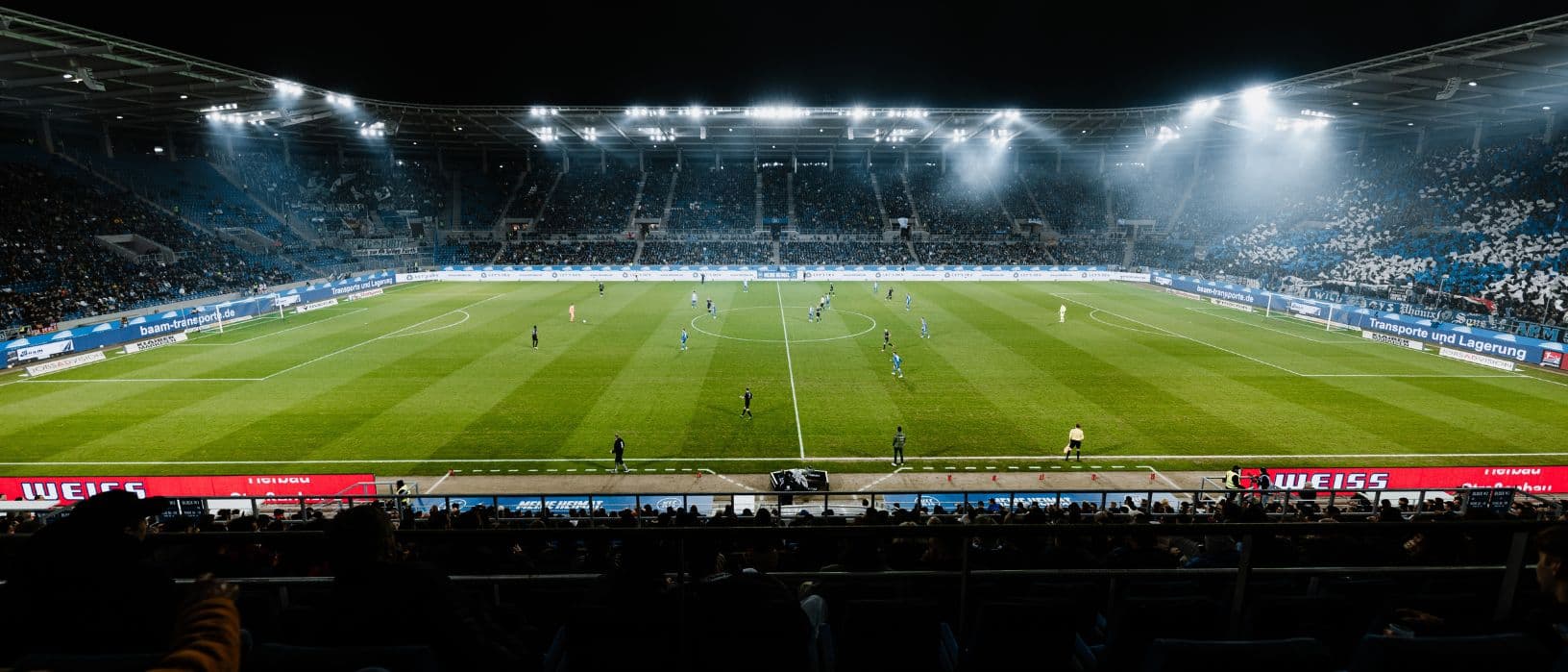 B.PRO and football – a perfect team effort
When the whistle blows in the stadium, a logistical masterstroke begins behind the scenes: Kitchen teams have to cater for hundreds or even thousands of guests at very short notice, reliably and flexibly. B.PRO has been supplying the right catering equipment for this for years and has thus established itself as a sought-after partner in professional football
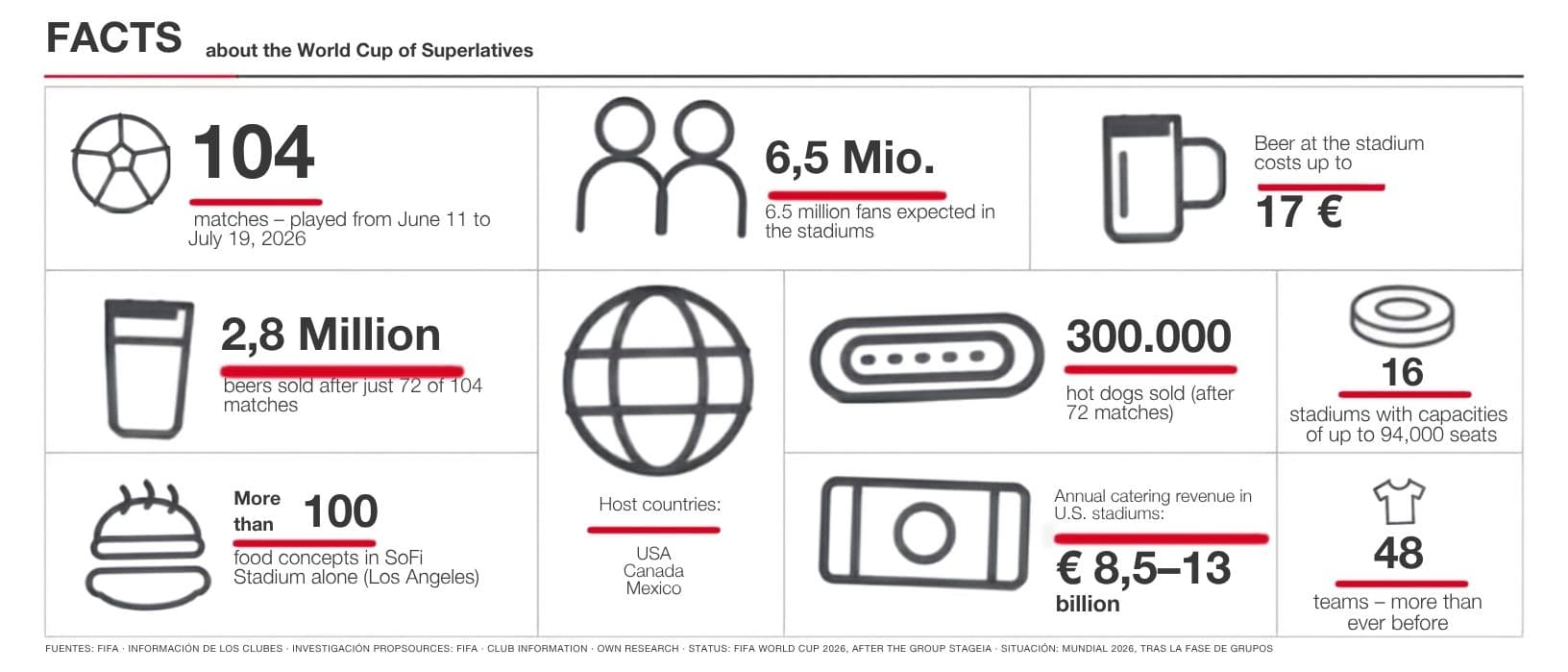 World Cup catering in numbers
104 matches, three countries, more fans in the stadiums already than expected: The 2026 World Cup is the biggest football tournament in history – and in catering and hospitality too, new benchmarks are currently being set there. B.PRO provides an overview of the key figures and facts on World Cup catering
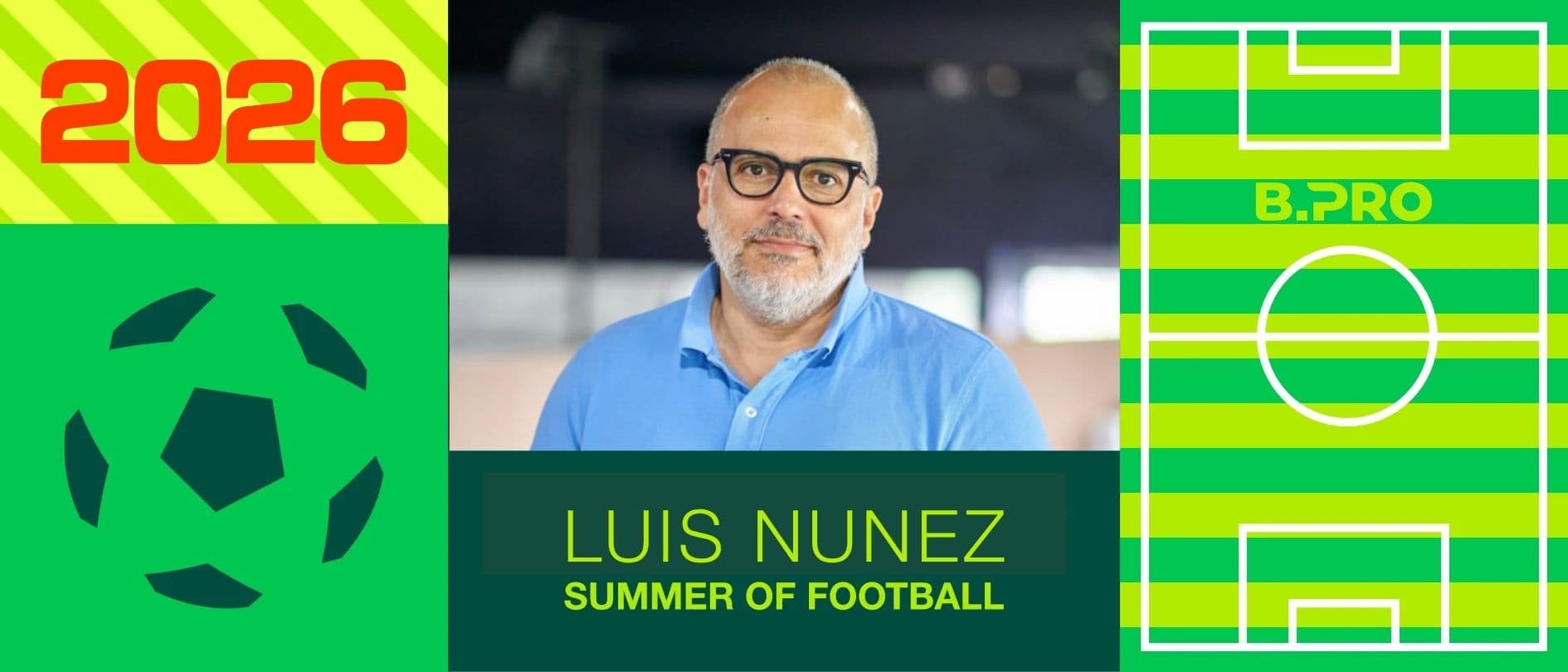 World Cup 2026 Snapshot with Luis Nunez
In his role as District Manager at Aramark Sport & Event Catering, Messe Stuttgart / MHP Arena Stuttgart, how does Luis Nunez view the 2026 FIFA World Cup?