
Ideas for greater efficiency
Current figures on revenue trends in the German hospitality sector show just how much pressure is now on the food service and hotel industries. Where companies can now lever potential
The results are shocking, yet not entirely surprising. The German Federal Statistical Office in Wiesbaden recently published the provisional figures on revenue trends in the German hospitality sector for 2025. They confirm what many companies have long been noticing in their day-to-day operations: The situation remains tense. In nominal terms, income from hotels, restaurants & and the like rose by 1.4 percent. Adjusted for prices, however, there was actually a decline of 2.1 percent. In many areas, additional revenue is being generated primarily by charging higher prices – although this is obviously not a strategy that can be used indefinitely.
As such, it raises a key question for managers: What levers remain? Efficient processes, resource-saving operations and gastronomic concepts that offer guests tangible added value are becoming increasingly important.

The catering and hotel industries – revenue declining in real terms
Price-adjusted revenue in the food service industry fell by 2.2 percent in 2025. The end of the year also failed to bring a turnaround. In December, which is traditionally a strong month, revenues were again below the previous year's level in real terms.
Accommodation providers were also unable to escape the effects. Indeed, hotels and guesthouses recorded a price-adjusted decline of 2.0 percent over the previous year – despite the fact that tourism in Germany actually enjoyed a record year in 2025.
This is leading to structural issues for hotels and food service companies. Rising costs for staff, energy and goods are being met with a noticeable reluctance to spend on the part of guests in many establishments. Dining out at a restaurant, for example, has become much more expensive for many people – and is therefore becoming a rarer treat. Given these circumstances, operational efficiency and high-quality offerings are becoming ever more important.
Three levers for greater efficiency in the hotel and food service industries
Efficient serving and structured processes
One key lever lies in the organisation of food serving. Modular systems, such as the B.PRO BASIC LINE, make it possible to organise breakfast buffets flexibly at hotels, as well as buffet, free-flow or self-service concepts at restaurants, while also helping to manage peak times more effectively.
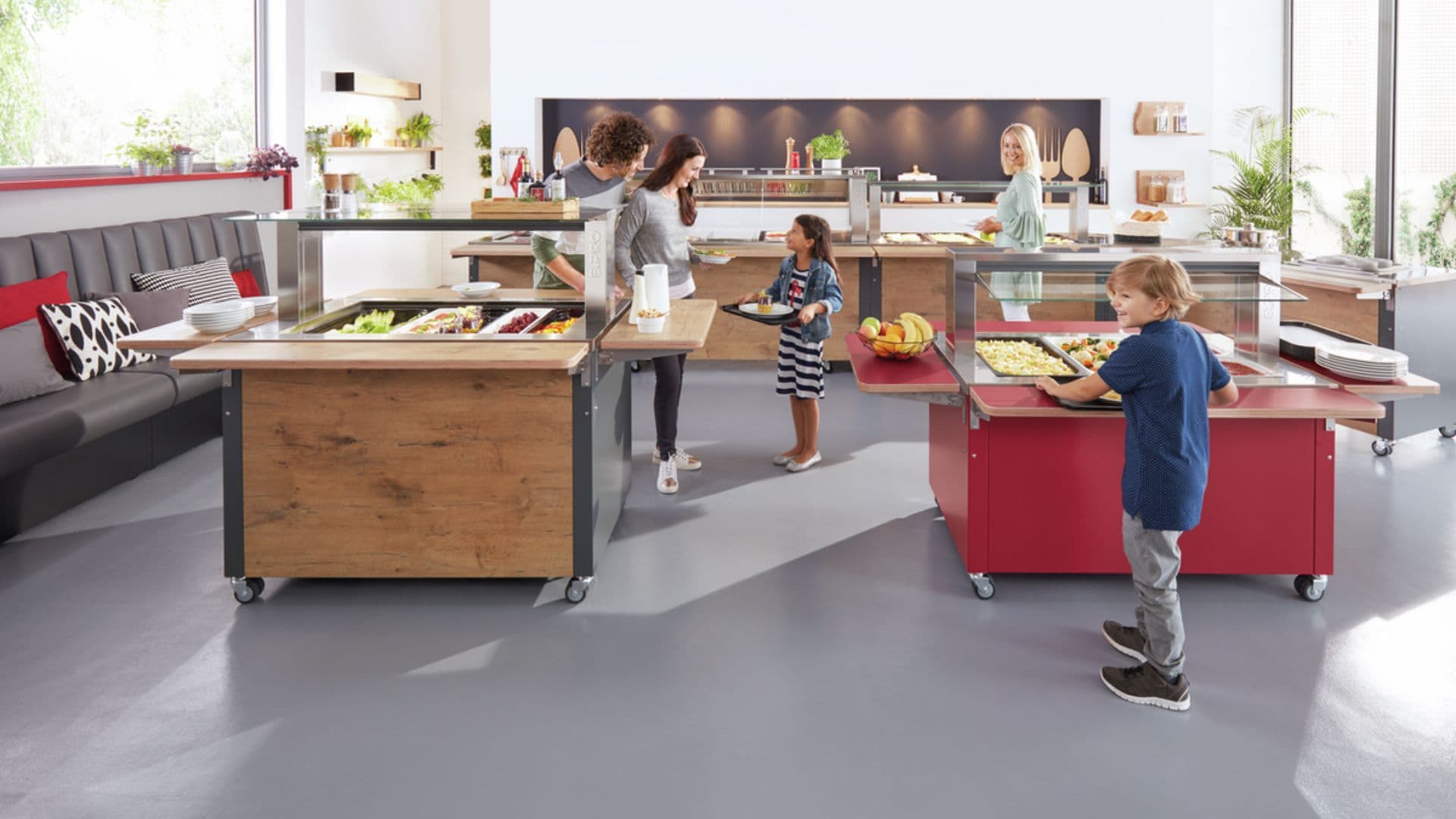
Supplementary peripheral products, such as plate dispensers and tray dispensers, transport trolleys and serving trolleys or mobile clearing solutions provide structure for serving, transport and return. Especially in heavily frequented areas – for example at breakfast or during banqueting events – distances can be shortened, pressure on staff relieved and processes organised more efficiently.
Energy efficiency during operations
Important potential can also be tapped with regard to energy use. B.PRO is continuously developing and refining its systems to make refrigeration and serving technology more efficient and conserve resources. Convection-cooled modules, such as the B.PRO BASIC LINE UK, provide stable temperature control with efficient cooling circulation.
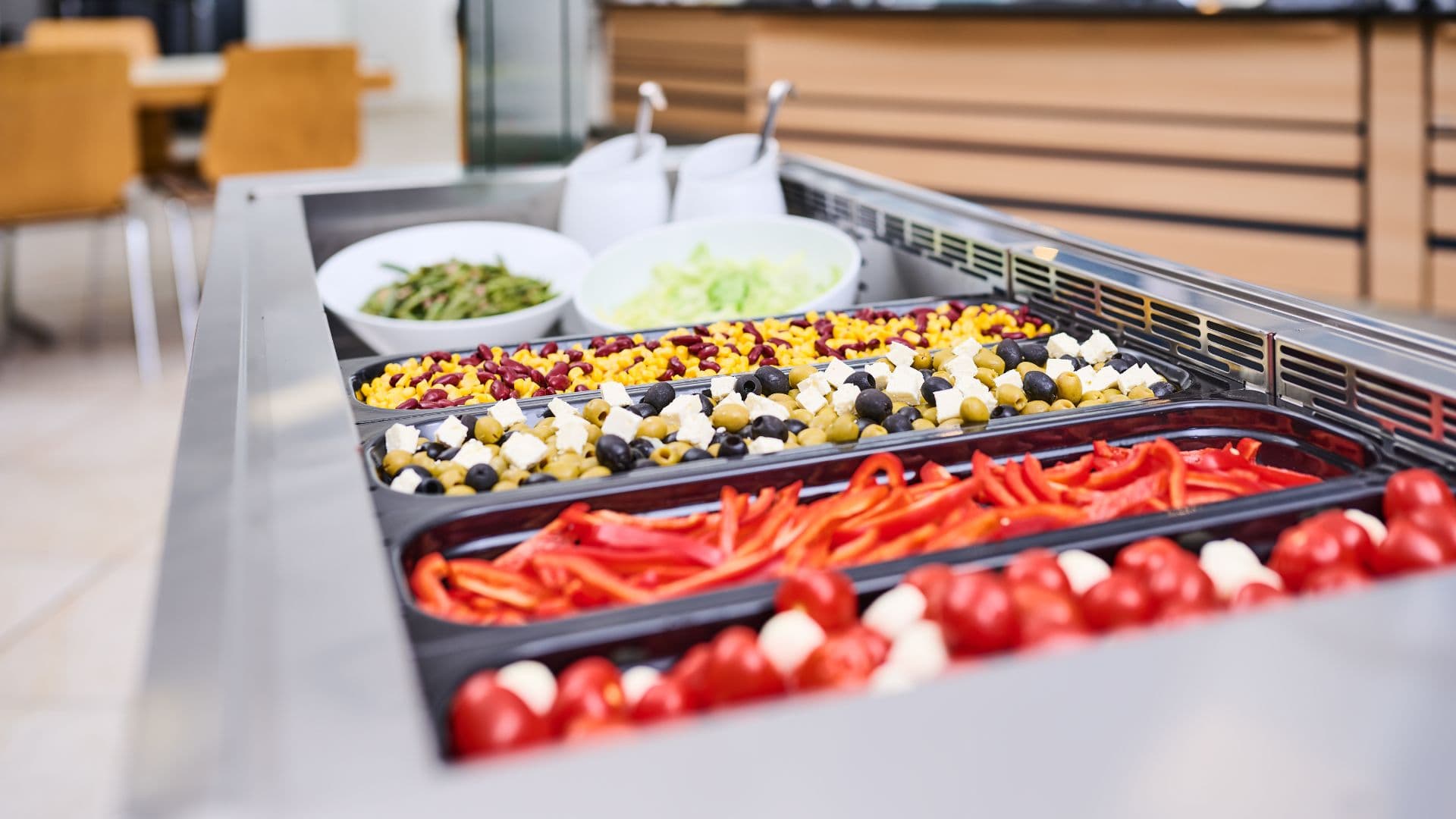
Optimised cooling systems and systems to keep food warm also help reduce energy losses and ensure that food is kept reliably at the correct temperature. Particularly in times of rising operating costs, efficiency gains of this kind can help stabilise the profitability of gastronomic offers.
Cooking experiences as a way of boosting sales
Alongside efficiency, the attractiveness of the food on offer also plays an important part. Industry analyses show, for example, that breakfast is one of the most important criteria when choosing a hotel – combined with the desire for freshness, customisation options and a good overall experience.
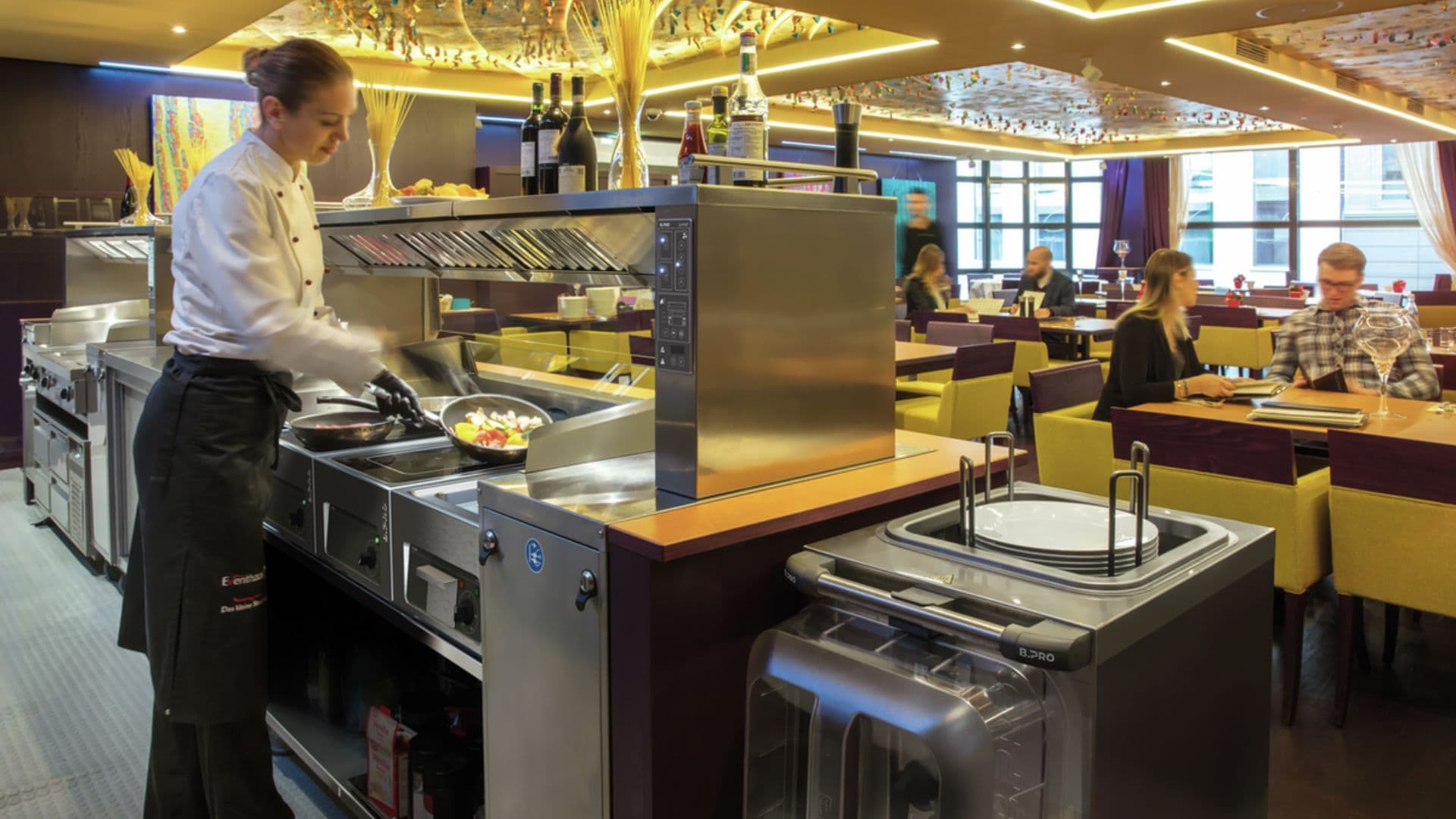
Front cooking concepts can provide new impetus for the guest experience here. Cooking stations, such as the B.PRO COOK classic or the B.PRO COOK I-flex make it possible to prepare food directly in front of guests, for example at omelette or pasta stations in the breakfast or buffet area.
This creates an experience, increases the perceived quality and helps to differentiate gastronomic offers more keenly. Additional sales potential can then be developed, particularly at hotels, yet also restaurants or banquet and event formats.
Conclusion
The preliminary figures on revenue development in the German hospitality sector speak for themselves. Anyone looking to thrive under these tough conditions needs to design processes efficiently, while at the same time producing offers that provide recognisable added value for guests. This interaction is a decisive lever for many companies today.
 B.PRO and football – a perfect team effort
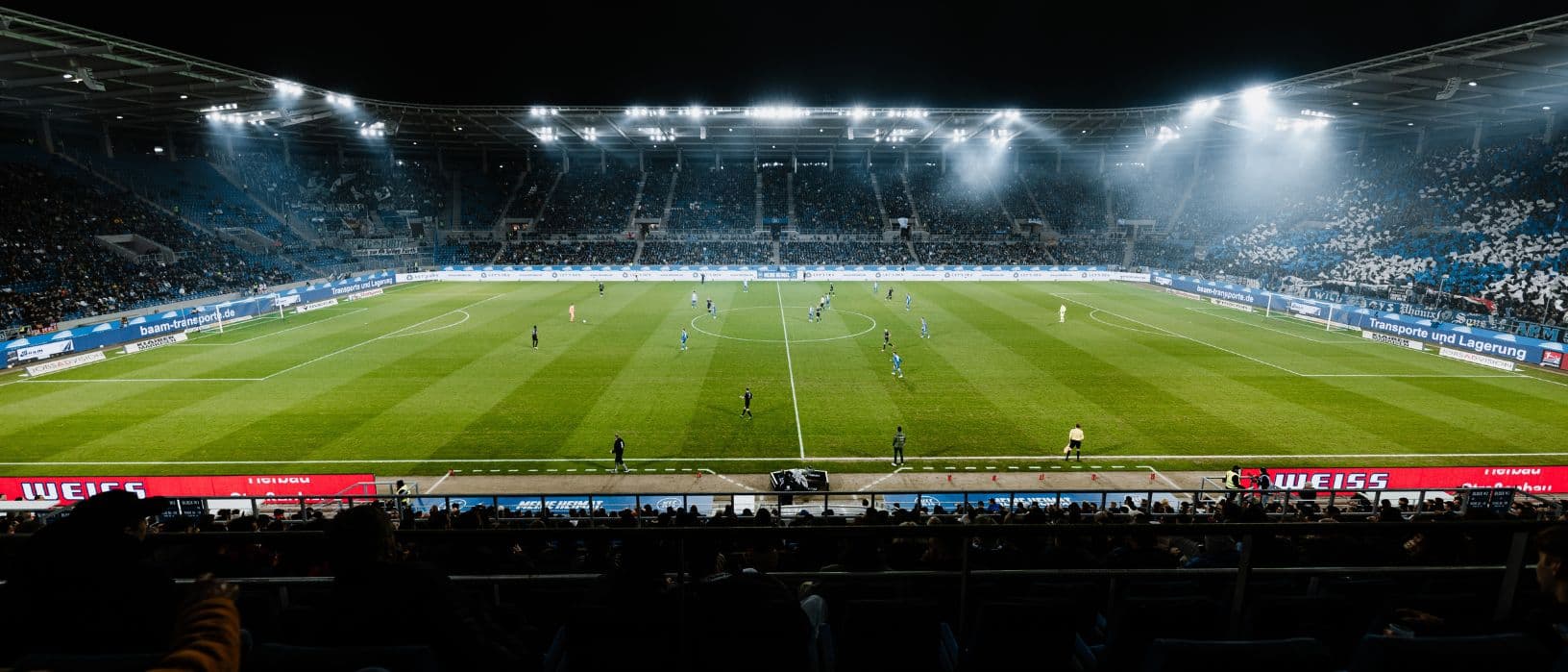
When the whistle blows in the stadium, a logistical masterstroke begins behind the scenes: Kitchen teams have to cater for hundreds or even thousands of guests at very short notice, reliably and flexibly. B.PRO has been supplying the right catering equipment for this for years and has thus established itself as a sought-after partner in professional football
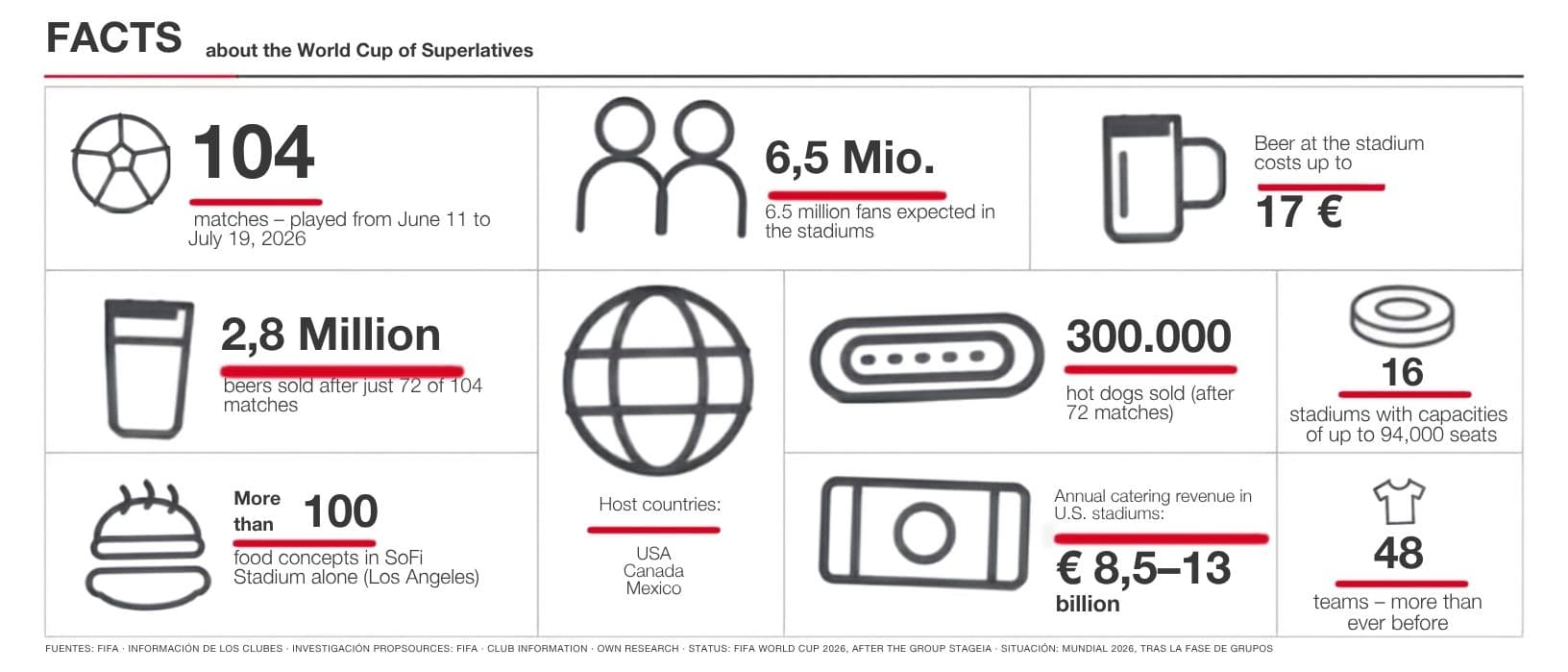 World Cup catering in numbers
104 matches, three countries, more fans in the stadiums already than expected: The 2026 World Cup is the biggest football tournament in history – and in catering and hospitality too, new benchmarks are currently being set there. B.PRO provides an overview of the key figures and facts on World Cup catering
 World Cup 2026 - Challenges and Opportunities in event catering
The 2026 FIFA World Cup is intensifying a trend that has long been noticeable in event catering. Factors such as fluctuating guest numbers and rising costs turn every event into an operational calculation exercise. But there are solutions