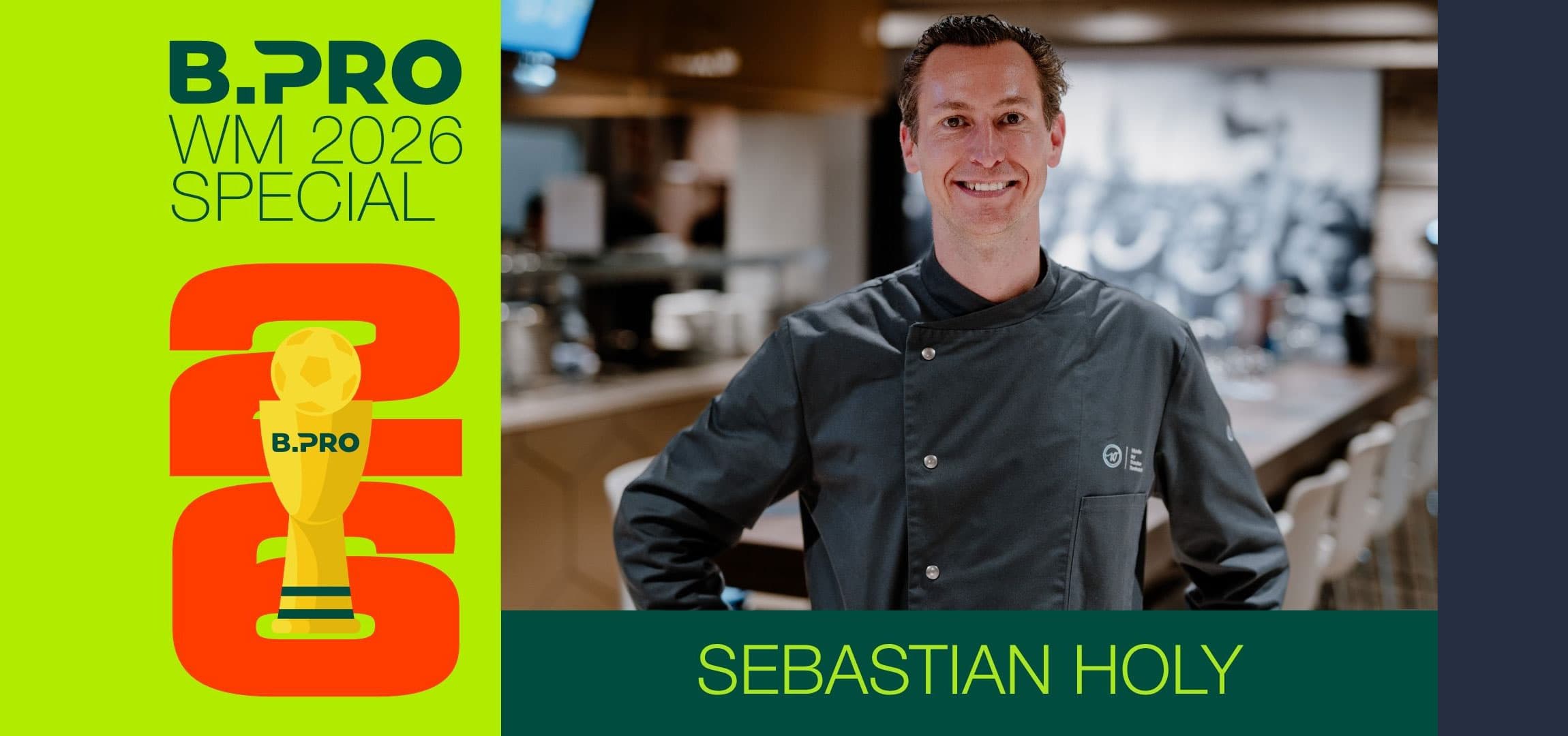
Sebastian Holy, Operations Manager and Executive Chef of WildparkTaste – Made by Traube Tonbach, caterer of Karlsruher SC at the BBBank Wildpark
Mr Holy, how are you experiencing the 2026 FIFA World Cup from a professional perspective?
For us, the 2026 World Cup plays only a very minor role in the events calendar. No public event is planned. We are merely catering an internal public viewing for business partners of KSC.
Around 160 guests were able to watch football together and use the evening for networking. This was accompanied by uncomplicated catering with bratwurst, currywurst and a vegan alternative.
Why is this event flying so far under the radar in your view? It is actually a perfect set-up for the hospitality industry to generate more revenue.
At first glance, that is true, of course: a summer World Cup initially sounds like a good opportunity for the hospitality sector. In theory, you would have good weather, full outdoor areas and lots of people wanting to watch football together. In this case, however, the overall conditions rather speak against it.
The decisive point is the kick-off times. By German standards, many matches are scheduled very unfavourably. What would work well in mild summer weather during the day or in the early evening sometimes takes place late in the evening or in the middle of the night. That changes the calculation considerably.
Many colleagues in the hospitality industry are therefore asking themselves very soberly: why should I still set up televisions at 10 p.m. if I may only be allowed to serve until 11 p.m.? Add to that the costs for technology, possible rental equipment, additional staff and the daily setting up and dismantling. The risk should not be underestimated either. If eight televisions are standing outdoors, two may well break, or a downpour may get in the way.
Are there any other factors?
As soon as it is a public event, licence fees also come into play. Depending on the format, you also need permits from the city, for example for serving alcohol or using the outdoor area. Noise protection also plays a major role. In Karlsruhe, for example, this is handled very strictly. If it is over at 11 p.m., then it is over at 11 p.m. If in doubt, the police will be there a minute later and the event is finished.
Under these conditions, many restaurateurs think very carefully about whether the effort is really worth it. Football events like the World Cup fundamentally have potential, but they also have to fit the business organisationally, economically and legally.
Are you yourself in a World Cup mood?
If Germany is playing and I have time off, I will certainly watch the match. But overall I have to say: the World Cup is largely passing me by. It is hardly a topic among my friends and acquaintances either.
That is certainly partly due to the late kick-off times. As a result, the impulse to sit down in a bar or beer garden does not even arise. On top of that, FIFA and some of the host venues do not have a particularly good reputation among many people. That also dampens the anticipation.
I can well imagine many people watching the matches at home instead. You invite a few friends over, maybe have a small barbecue, buy wine or beer, and everyone brings something along. That is cosy — and also cheaper, especially in times like these, when many people have to watch every euro.
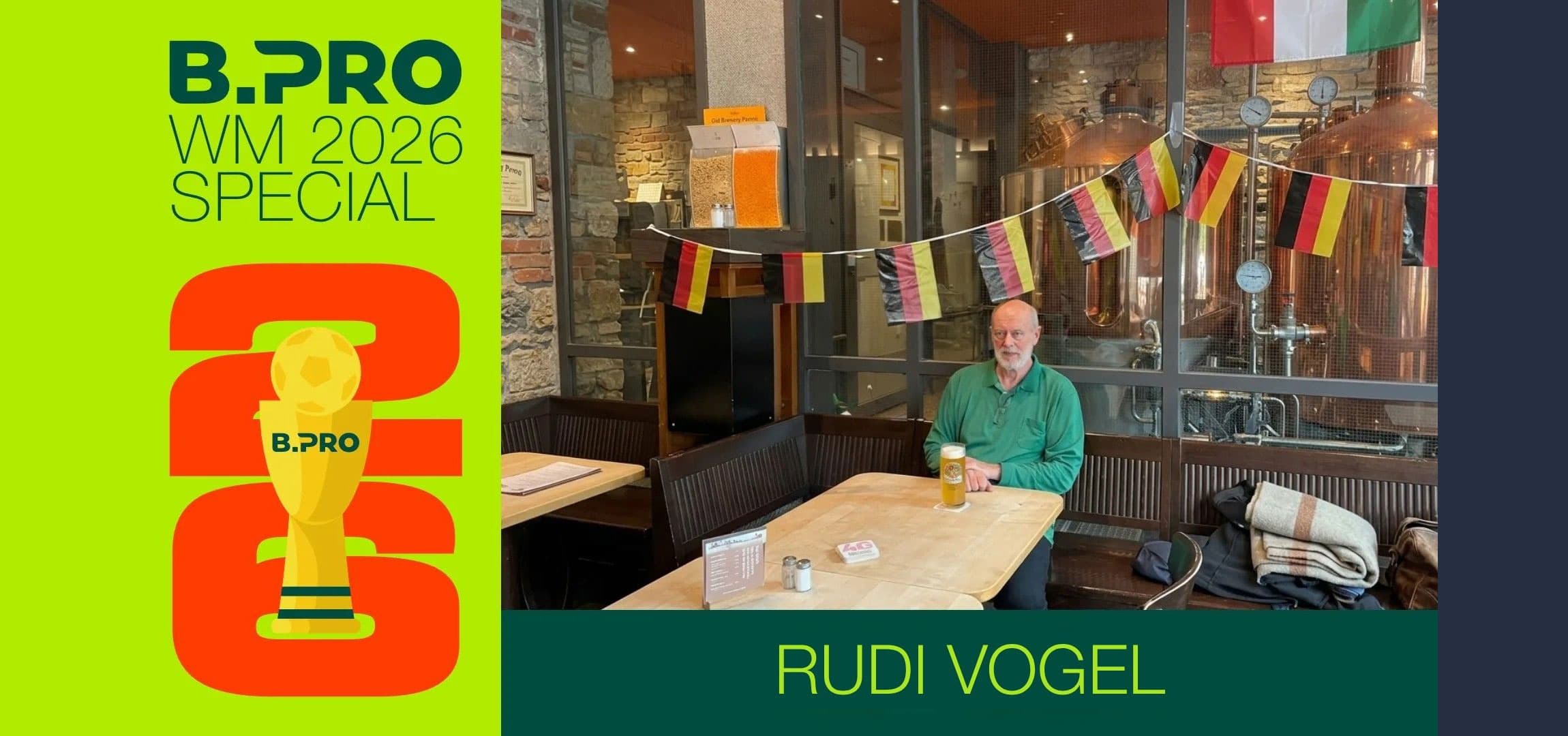 World Cup Snapshot with Rudi Vogel
How has Rudi Vogel, owner of Vogelbräu in Karlsruhe, Ettlingen and Durlach, been preparing for the 2026 World Cup?
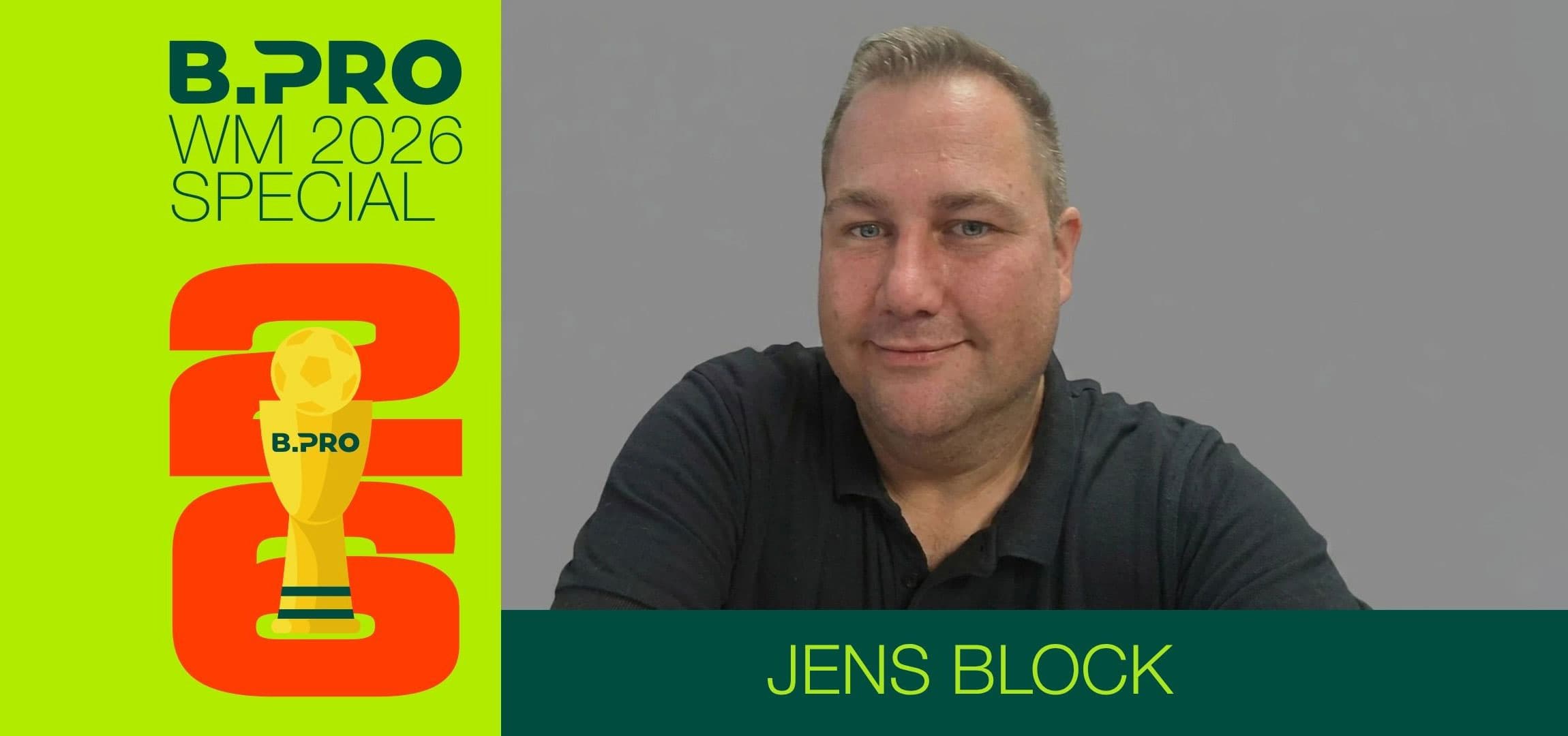 World Cup Snapshot with Jens Block
From a professional perspective, how does Jens Block, General Manager of Ibis Styles Tübingen, view the 2026 World Cup: as an opportunity to boost revenue, or with caution?
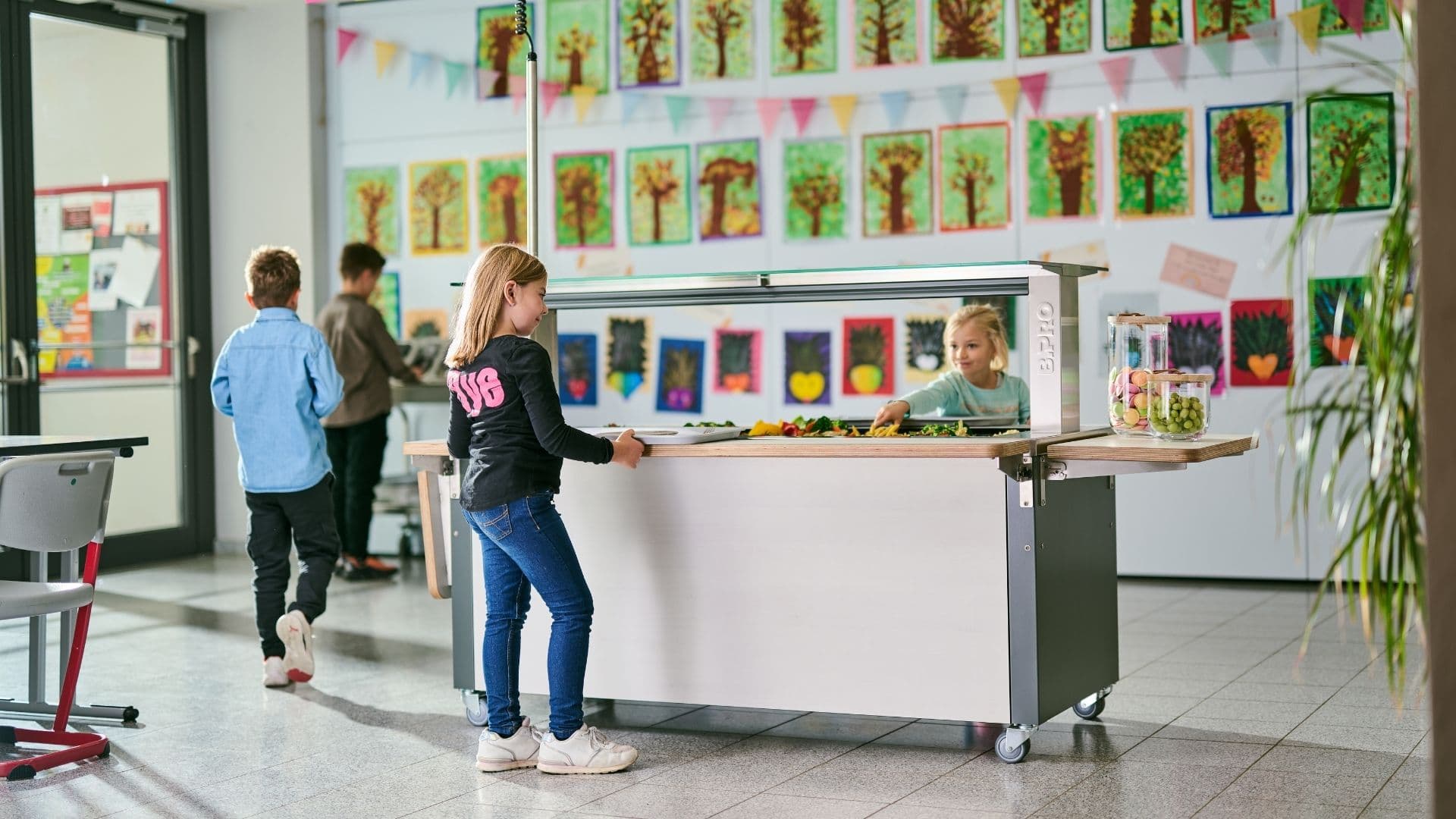 SMALL GUESTS, BIG REQUIREMENTS
Securing a better overview at lunchtime: B.PRO presents new ideas and optimised equipment for daycare centres and schools. From child-friendly food serving to orderly returns: processes become clearer, safer and easier to control.