Top 6 dishes at company restaurants
What are the most popular foods served at company restaurants? A recent survey by contract caterer Sodexo shows which 6 dishes were particularly popular in their restaurants in 2025.
Although the survey does not represent a universally valid, nationwide ranking, it does provide insightful information for menu planning in day-to-day canteen life. The mix of tried-and-tested classics and international dishes is striking. This highlights the fact that familiarity and variety are no longer mutually exclusive. Indeed, these two factors together actually determine whether or not a food offer is accepted.
The top 6 dishes at a glance
The concept of classic dishes is increasingly being reinterpreted in the context of canteen environments. Indeed, contemporary bowls and feel-good cuisine with an international flavour are becoming ever more important and are now typically included as standard alongside long-established classics.
1. Spaghetti bolognese
2. Currywurst sausage
3. Bowls / salads
4. All kinds of burgers
5. Burritos / fajitas
6. Asian noodle dishes
"The classics are definitely not going anywhere soon, but they are now facing competition from all over the world," explains Jascha Händle, food expert at Sodexo Germany. "Guests are looking for flavour experiences that enrich their everyday lives and reflect the variety they know from the restaurant landscape outside work."
Modern menu planning caters to everyone's needs
The survey also shows that eating habits at company restaurants depend heavily on the respective working environment.
- For example: savoury dishes that offer a quick sense of fullness remain the driving force at production facilities. Classics like spaghetti bolognese or currywurst sausage offer a kind of comfortable dependability here, enabling easy decision-making and guaranteed satisfaction.
- However, the focus at office locations is shifting. Customers are increasingly opting for lighter, international dishes that can be flexibly combined here. Bowls, burritos or Asian noodle dishes allow for variety and individual combinations without leaving the framework of familiar flavour profiles.
Veggie or meat – everything is on offer without any obligations
An important context for the results is Sodexo's food concept: since 2024, all dishes have been created using plant-based ingredients, which can be supplemented with animal-based components as desired. This principle is also reflected in the composition of the most popular dishes. Adopting this approach enables variety without obliging guests to eat a particular diet.
Overall, one thing has become clear: acceptance is achieved when offers take into account different working realities, while also leaving scope for individual requirements.
Canteens should now be focusing on the following:
- Keeping tried-and-tested classics as an integral part of their range
- Integrating low-threshold international dishes, such as burritos or Asian noodle dishes
- Offering modular dishes that can be combined with one another, such as bowls or wraps
- Adapting offerings to different working environments, in particular office and production locations
- Providing options, for example through plant-based dishes with optional add-ons
 B.PRO and football – a perfect team effort
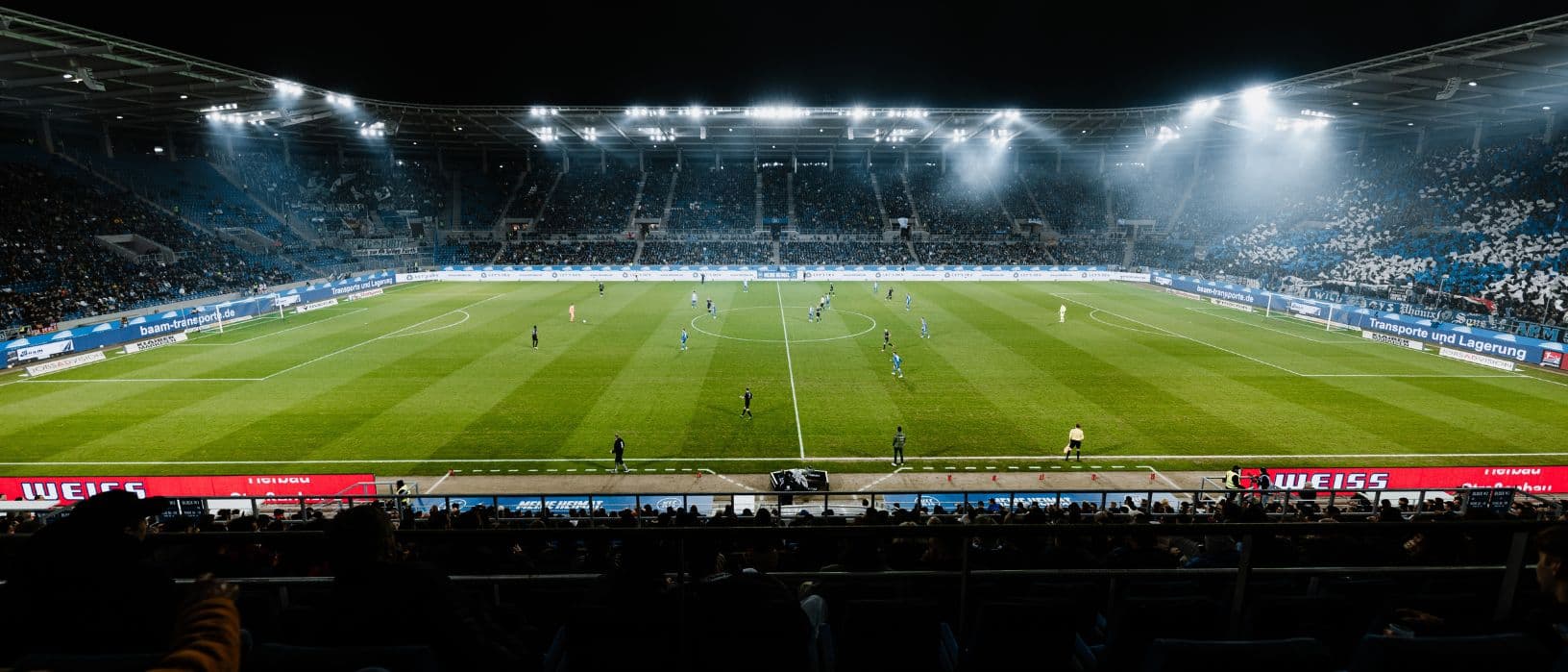
When the whistle blows in the stadium, a logistical masterstroke begins behind the scenes: Kitchen teams have to cater for hundreds or even thousands of guests at very short notice, reliably and flexibly. B.PRO has been supplying the right catering equipment for this for years and has thus established itself as a sought-after partner in professional football
 World Cup catering in numbers
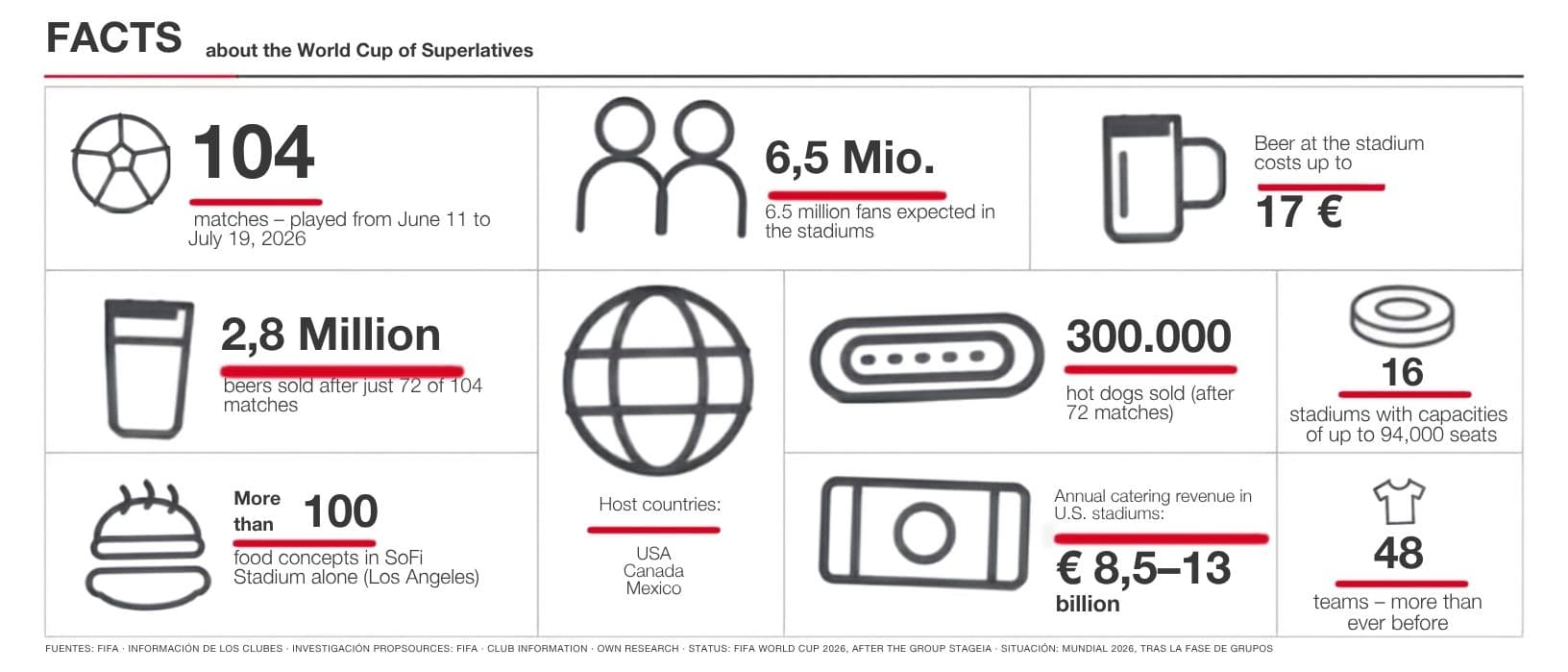
104 matches, three countries, more fans in the stadiums already than expected: The 2026 World Cup is the biggest football tournament in history – and in catering and hospitality too, new benchmarks are currently being set there. B.PRO provides an overview of the key figures and facts on World Cup catering
 World Cup 2026 - Challenges and Opportunities in event catering
The 2026 FIFA World Cup is intensifying a trend that has long been noticeable in event catering. Factors such as fluctuating guest numbers and rising costs turn every event into an operational calculation exercise. But there are solutions