"Children are the most demanding guests"
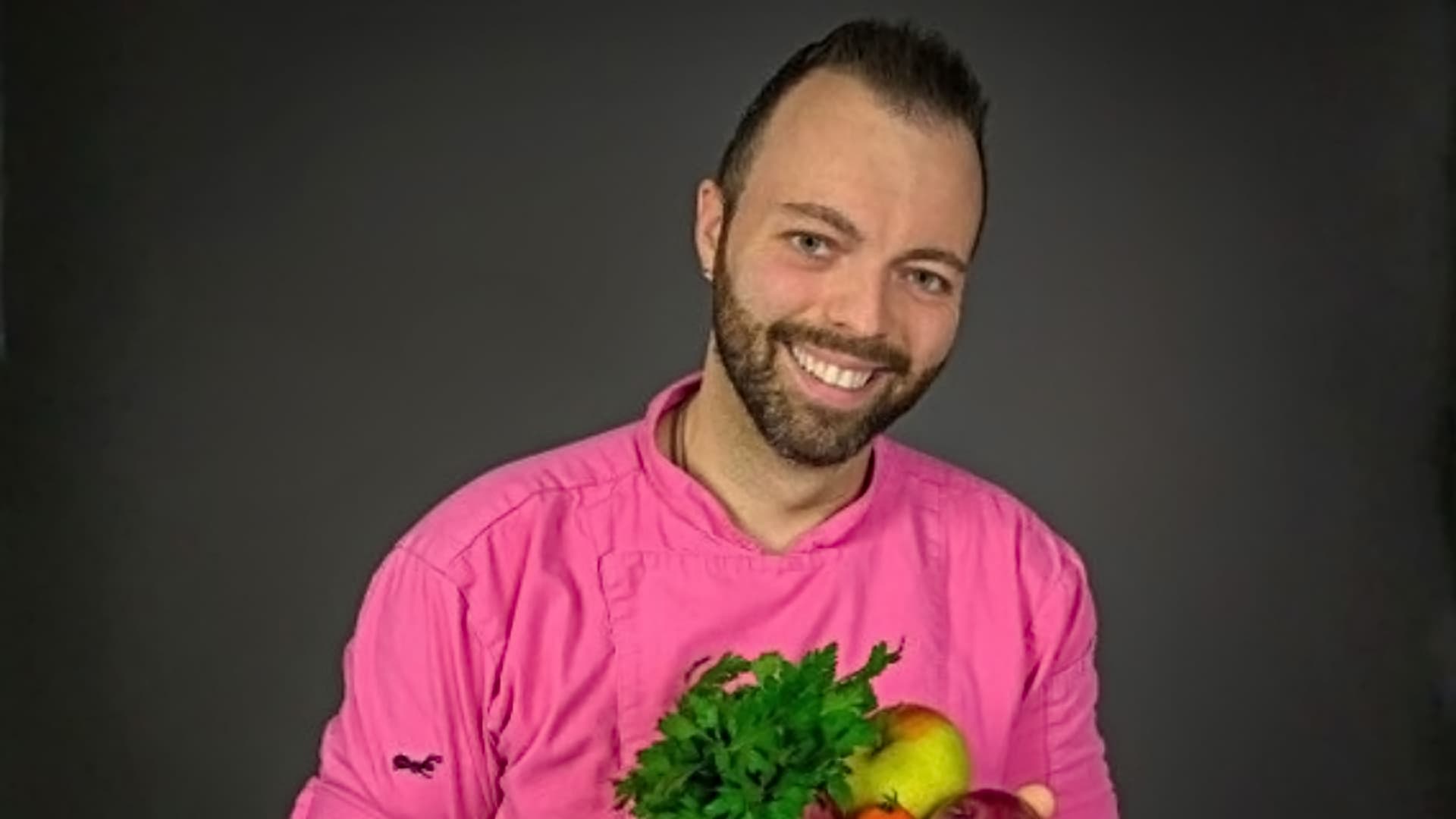
Daycare centre chef, Fabian Dietrich, has amassed more than 69,000 followers and over 1.1 million likes on his social media channels. In an interview with B.PRO, the 35-year-old reveals why he now prefers to cook for mini gourmets rather than at Michelin-starred restaurants
Fabian, you provide insights into your day-to-day work as a daycare centre chef on Instagram and TikTok. There is a huge amount of interest in your work as a content creator. This makes it all the more astonishing that nobody before you has seriously attempted this.
In many restaurants and canteens, mobile phone use during working hours is strictly prohibited. Added to this is the fact that potential creators are often afraid of criticism – not to mention the image problem that is still attached to commercial catering. Indeed, this is a field that is not considered to be very creative or demanding. Unlike the world of haute cuisine, there are no fancy foams or coulis here. Instead, we have a clear focus on suitability for day-to-day operations – as well as the use of individual ready-made products for resource-related reasons.
It was important for me to show what my work looks like, as well as the standards that are set here. Chefs at daycare centres make an important contribution to children's development. My employer is behind what I do, and the parents are happy that I arouse their children's curiosity about nutrition. If social media can help create more understanding and appreciation, well that's a win-win situation for everyone.
You've worked in a wide range of kitchens – from Michelin-starred restaurants to retirement homes. What ultimately convinced you to stay at the daycare centre?
Several things. The first of which is rather pragmatic: When I moved to Berlin four years ago, it was important for me to be able to spend weekends and public holidays with my family. The job at the daycare centre is well paid in relation to the working hours – and allows me to reconcile my work and family life.
Then there is social media. This is something I really enjoy and can actively live out at my current daycare centre. But above all, children are the most honest guests you can ever have. I cook with two groups twice a week. The little ones are curious and say very clearly when they don't like something. This keeps you grounded – and changes your own view of food, responsibility and your job.
For me, children are the most demanding guests of all. Sharing my knowledge and experience with them – about flavour, nutrition and appreciation – is what makes this job special for me.
What do outsiders underestimate most about working as a chef at a daycare centre?
The personal level. I don't just have anonymous numbers in front of me, I cook for little people that I see every day.
I know every child by name, know what they like, what they don't like and where special attention is needed. At the same time, expectations of the food are high, while budgets are limited. This responsibility and this balancing act are often underestimated by those with no experience in the sector.
What compromises are unavoidable in everyday life – and where do you draw a clear line?
Compromises cannot be avoided in daycare centre life, which is why coordination with parents is crucial. I'm like the director in many respects and have to take into account different expectations, budgets and specifications.
Prioritisation is important to us. I try to use as many fresh ingredients as possible. In certain situations, however, we also use cheats like stock cubes. When it comes to fish, meat and eggs, we consciously choose organic quality. At the same time, these don't always have to be branded products. Indeed, when it comes to staples such as pasta, unbranded products generally do the same job as established brands, which often come at a premium.
What can healthy eating achieve at a daycare centre?
A lot. Nutrition has a direct impact on well-being, concentration and development. I consider it important to cook a varied diet and to instil an understanding of healthy eating at an early age – largely because not all kids get this at home.
I also use little tricks from time to time. For example, vegetables can be finely puréed and mixed wonderfully into a sauce. Alternatively, I can chop them very finely and use them in a casserole. However, this can also work the other way round. I then deliberately leave vegetables large and chunky.
How do you react when dishes are rejected – and what is surprisingly well received?
Broccoli goes down amazingly well – depending on how the kids feel on the day – as do peas and carrots. Raw vegetables almost always work, so iceberg lettuce with yoghurt dressing, cucumber, tomato or peppers.
Everything works really well when children become active themselves. During a project week on the subject of Japan, for example, we made sushi – not as a standard daycare centre lunch, but as a shared cooking experience. I precooked the rice, and the children then chopped and added the ingredients before rolling them up. Two children in particular, who are usually very picky, suddenly became enthusiastic about the whole process here.
How important is self-efficacy when working in the daycare centre kitchen?
Extremely important. When children make something themselves, they almost always try it. They're proud of what they've made and have a completely different approach to food.
They're often also allowed to take leftovers home to show everyone. This automatically brings the topic of nutrition into families. Feedback received about the cookery club has been consistently positive – not only from the children but also the parents.
What other ways are there to get children more involved?
This starts right from the menu planning stage. The children draw posters with their favourite dishes or individual ingredients. We can then discuss what's feasible and what isn't.
Children can also easily be involved in serving, for example setting the table, serving themselves, taking responsibility. The children learn to judge their own hunger more effectively, not to put too much on their plates and to think of others. This also raises awareness of personal responsibility, sharing and food waste.
What experiences with the children particularly stick in your memory?
I remember when the mother of one girl actually wanted to treat her to a long weekend. But the little one was having none of it, instead insisting on going to daycare because we cook together on Fridays. I see that as a truly fantastic acknowledgement! For some of my daycare centre children, it's also a ritual to watch my videos before going to bed as a way of revisiting my lunch and how it was made.
However, I can also still remember the horrors when we peeled potatoes together for first time. Five children cut themselves at once..
.jpg&w=3840&q=75)
Fabian Dietrich on social media:
TikTok: Fabian | The daycare centre chef 👨🍳 (@fabianderkitakoch)
Instagram: Fabian (@fabianderkitakoch)
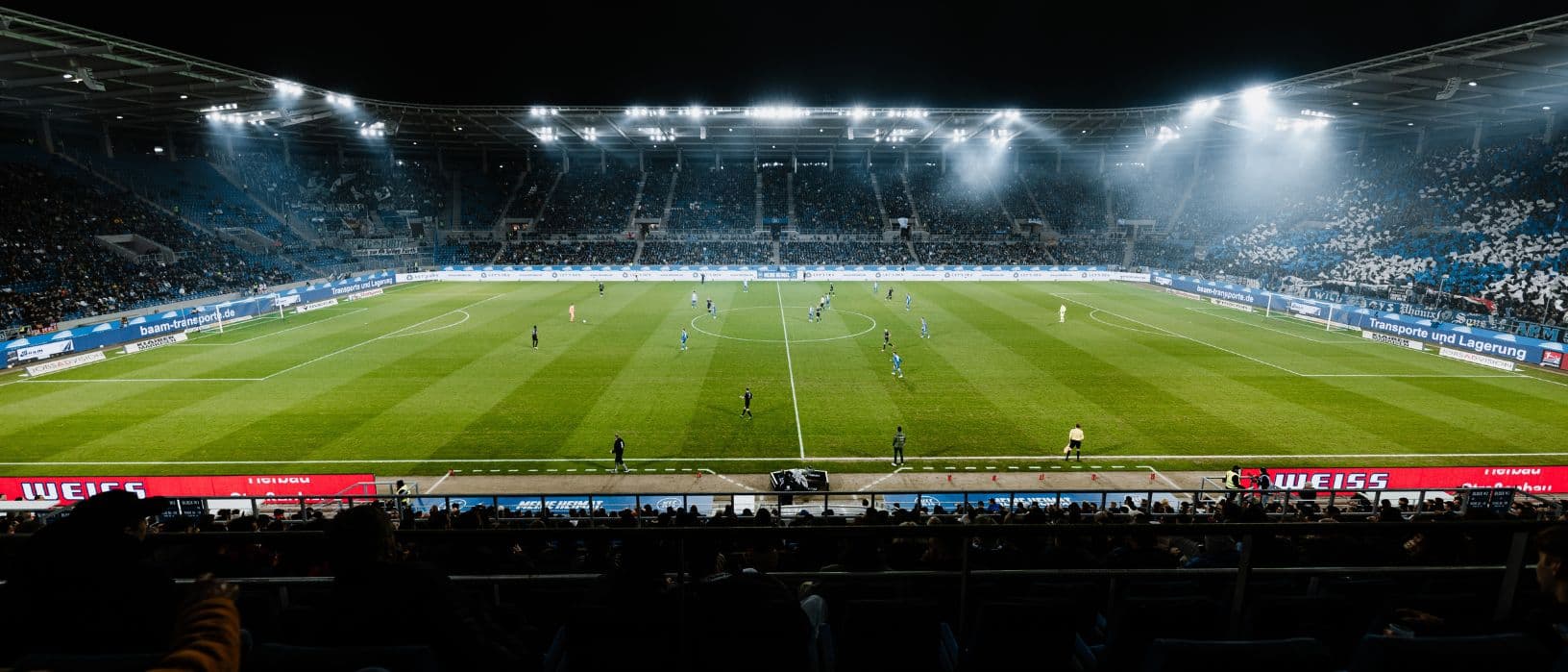 B.PRO and football – a perfect team effort
When the whistle blows in the stadium, a logistical masterstroke begins behind the scenes: Kitchen teams have to cater for hundreds or even thousands of guests at very short notice, reliably and flexibly. B.PRO has been supplying the right catering equipment for this for years and has thus established itself as a sought-after partner in professional football
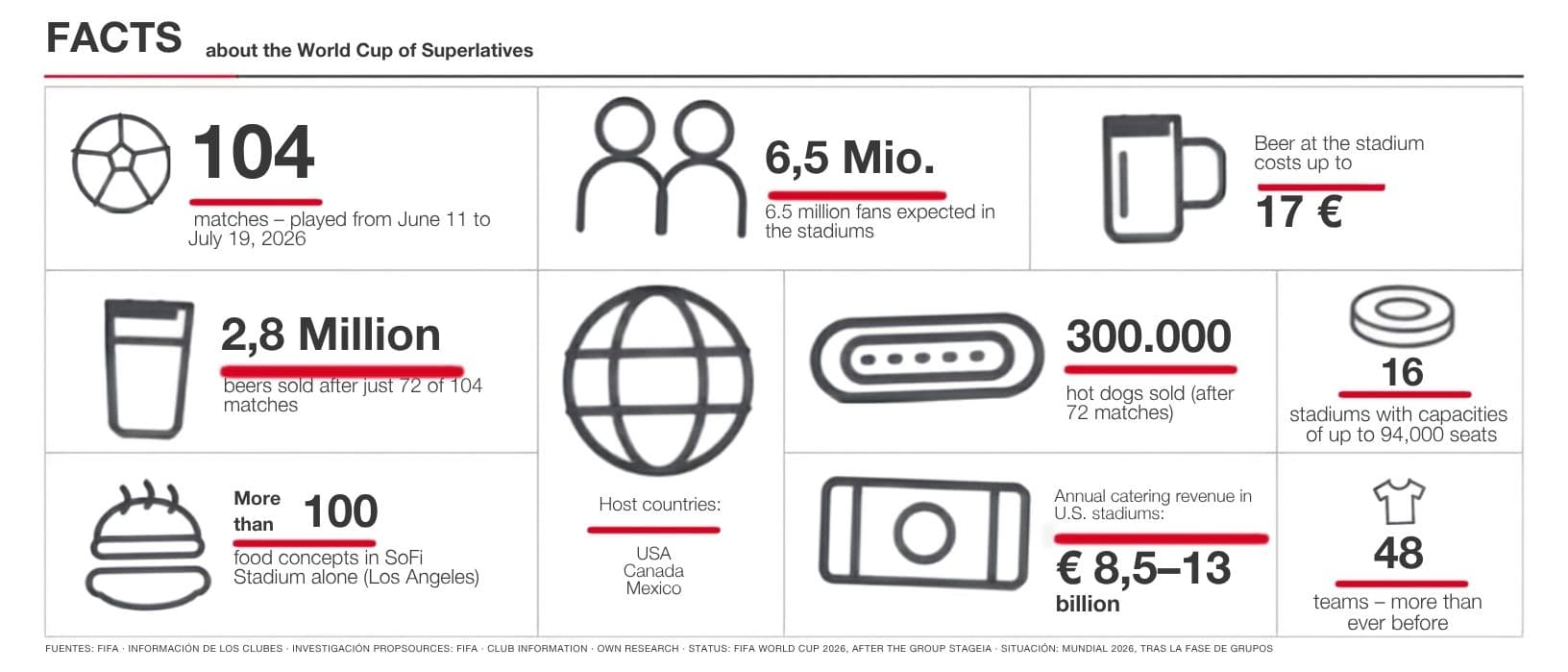 World Cup catering in numbers
104 matches, three countries, more fans in the stadiums already than expected: The 2026 World Cup is the biggest football tournament in history – and in catering and hospitality too, new benchmarks are currently being set there. B.PRO provides an overview of the key figures and facts on World Cup catering
 World Cup 2026 - Challenges and Opportunities in event catering
The 2026 FIFA World Cup is intensifying a trend that has long been noticeable in event catering. Factors such as fluctuating guest numbers and rising costs turn every event into an operational calculation exercise. But there are solutions