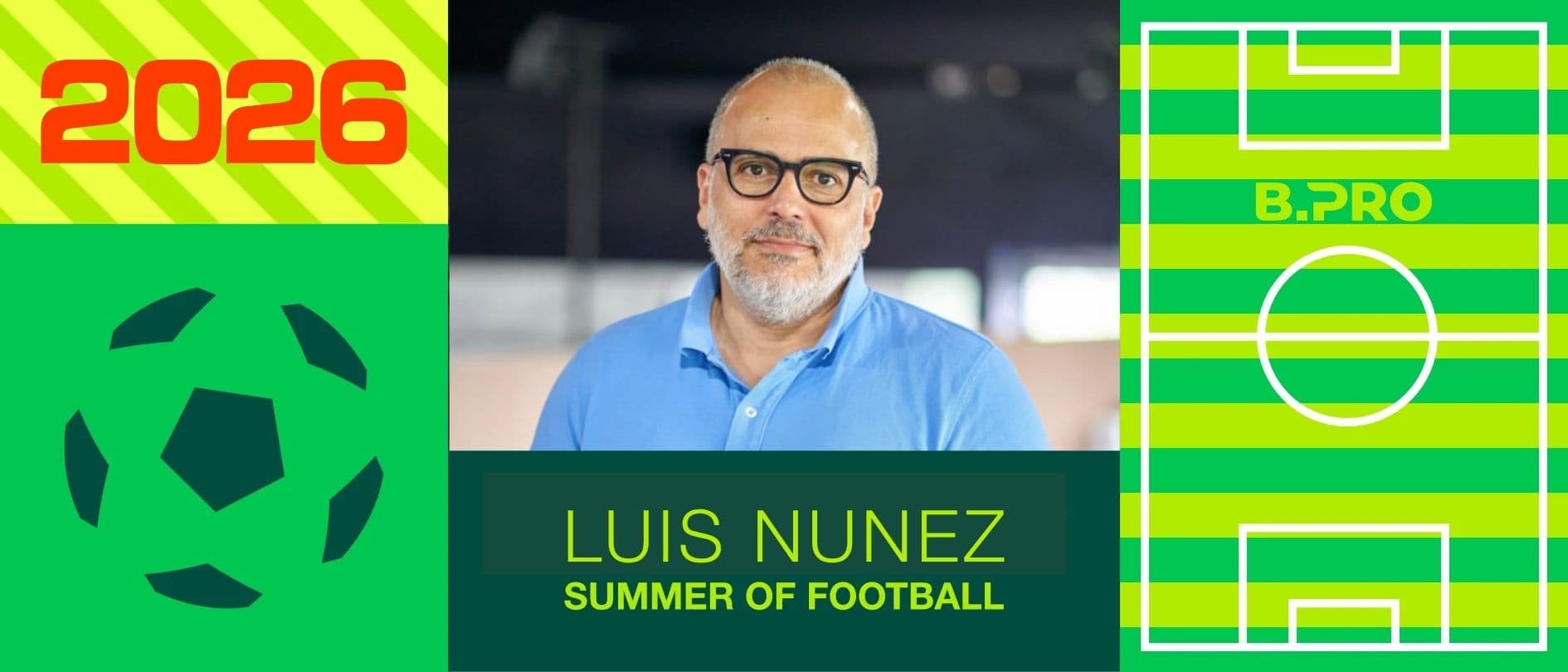
Luis Nunez, 59, District Manager, Aramark Sport & Event Catering, Messe Stuttgart / MHP Arena Stuttgart
Mr Nunez, are you in the World Cup spirit at work?
At the moment, we’re focusing on other types of events here in Stuttgart. As a result, no World Cup-related events or public viewings are planned at either Messe Stuttgart or the MHP Arena.
Why is that?
A key factor is the kick-off times, which are rather challenging from a European perspective. As many matches take place late in the evening or at night, it is likely that demand for such event formats will remain limited. For many guests, both work commitments the following day and organising their journey home play an important role.
What other factors come into play from the organiser’s perspective?
When planning public viewing events, various organisational and economic considerations must be taken into account. These include, for example, licence fees for public broadcasts, as well as requirements relating to security, visitor management and medical support.
How do you view events such as the Football World Cup, particularly from a trade fair perspective?
From a trade fair perspective, the Football World Cup and European Championships have a different significance to traditional trade fair and congress events. Our core business is concentrated in the months between September and May. We use the summer months for maintenance and refurbishment work, as well as for preparing for upcoming events.
Furthermore, visitors to our trade fairs and conferences come to us primarily for business reasons. Major international sporting events are, of course, followed closely, but they generally have only a limited impact on the trade fair business and the associated services.
You were probably much more heavily involved in the 2024 European Championship on home soil, weren’t you?
Yes, UEFA EURO 2024 was on a completely different scale for us. Several tournament matches were held at the MHP Arena within the space of a few weeks, which required a considerable amount of organisational and logistical effort. Preparations began well in advance and included, amongst other things, extensive coordination processes, staff planning and specific requirements in the areas of security and infrastructure.
Catering for the guests also required much more extensive planning of goods and resources than on regular match days. Major international events like this place high demands on everyone involved, but at the same time offer the opportunity to demonstrate the capabilities and flexibility of our teams. Overall, EURO 2024 was an intense but very positive experience for us.
Are you a football fan yourself?
Yes, football has always been a part of my life: I used to play myself and still follow exciting matches with interest today. Working at the stadium, however, gives you a different perspective on the sport and makes you pay closer attention to what goes on behind the scenes. But the passion remains. laughs
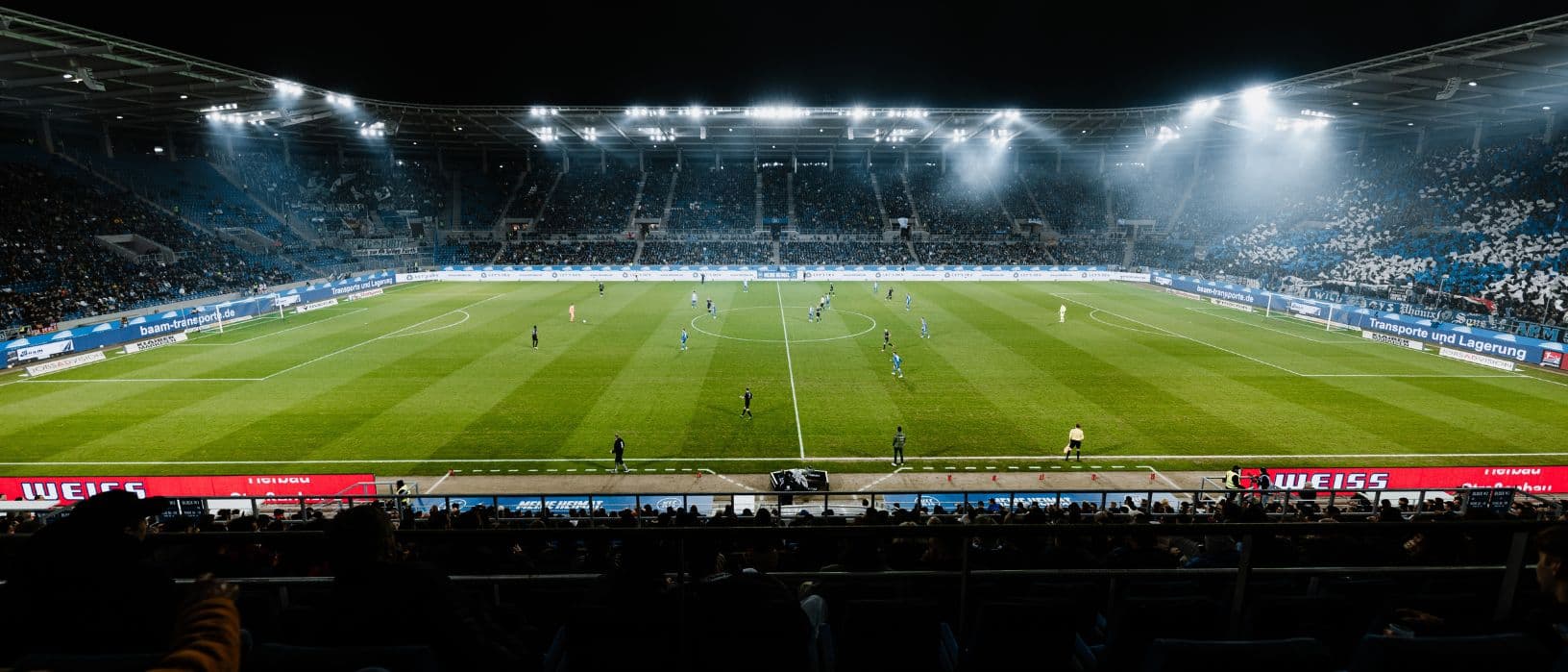 B.PRO and football – a perfect team effort
When the whistle blows in the stadium, a logistical masterstroke begins behind the scenes: Kitchen teams have to cater for hundreds or even thousands of guests at very short notice, reliably and flexibly. B.PRO has been supplying the right catering equipment for this for years and has thus established itself as a sought-after partner in professional football
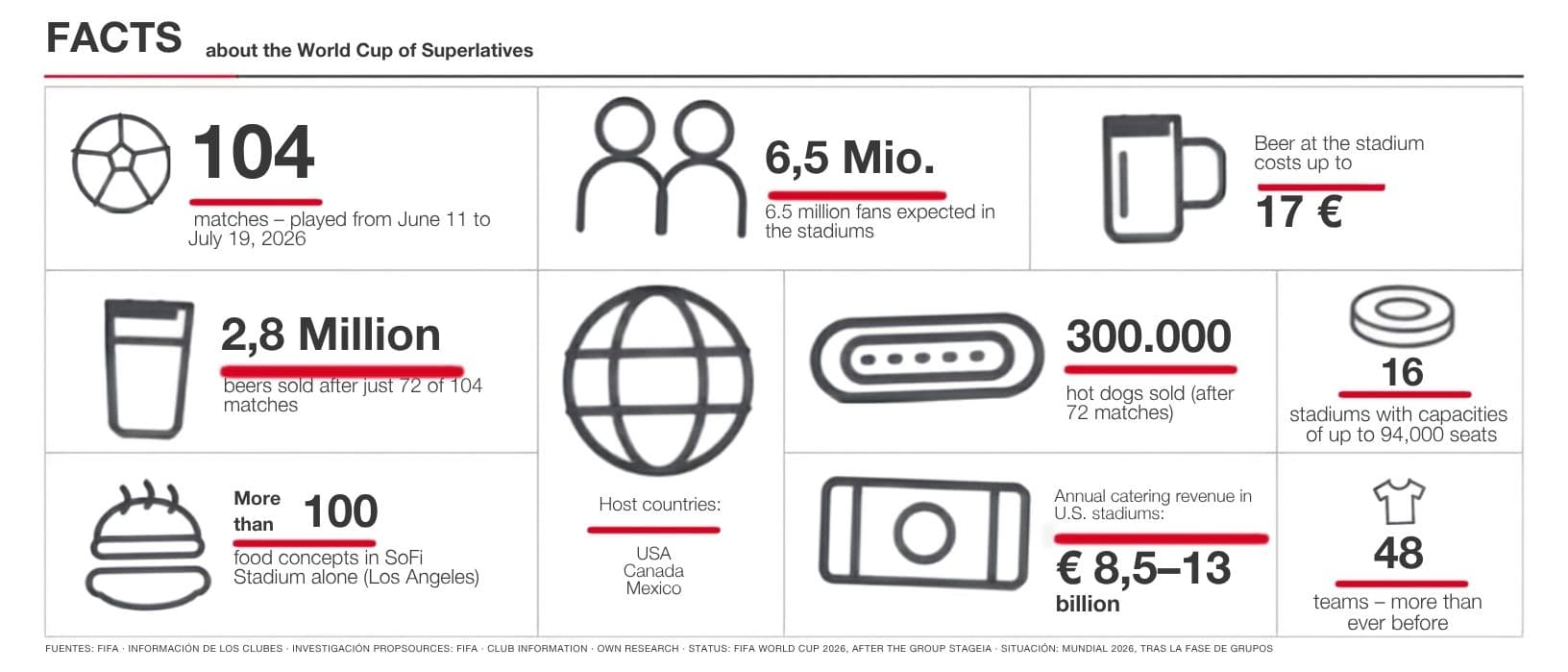 World Cup catering in numbers
104 matches, three countries, more fans in the stadiums already than expected: The 2026 World Cup is the biggest football tournament in history – and in catering and hospitality too, new benchmarks are currently being set there. B.PRO provides an overview of the key figures and facts on World Cup catering
 World Cup 2026 - Challenges and Opportunities in event catering
The 2026 FIFA World Cup is intensifying a trend that has long been noticeable in event catering. Factors such as fluctuating guest numbers and rising costs turn every event into an operational calculation exercise. But there are solutions