Legally compliant, sustainable and educational: The BASIC LINE sorting station
New EU requirements stipulate that organisations must measurably reduce waste. At the same time, staff shortages and the right to all-day care are exacerbating the catering situation at daycare centres and schools. One solution: the new BASIC LINE sorting station from B.PRO.
With the legal entitlement to all-day childcare from 2026, the number of meals at many daycare centres and schools will increase significantly. Many facilities are facing the challenge of feeding more children with the same spatial and personnel resources – while at the same time organising processes in such a way that they remain understandable for children and reliable for teams.
How the sorting station restructures the clearing up process
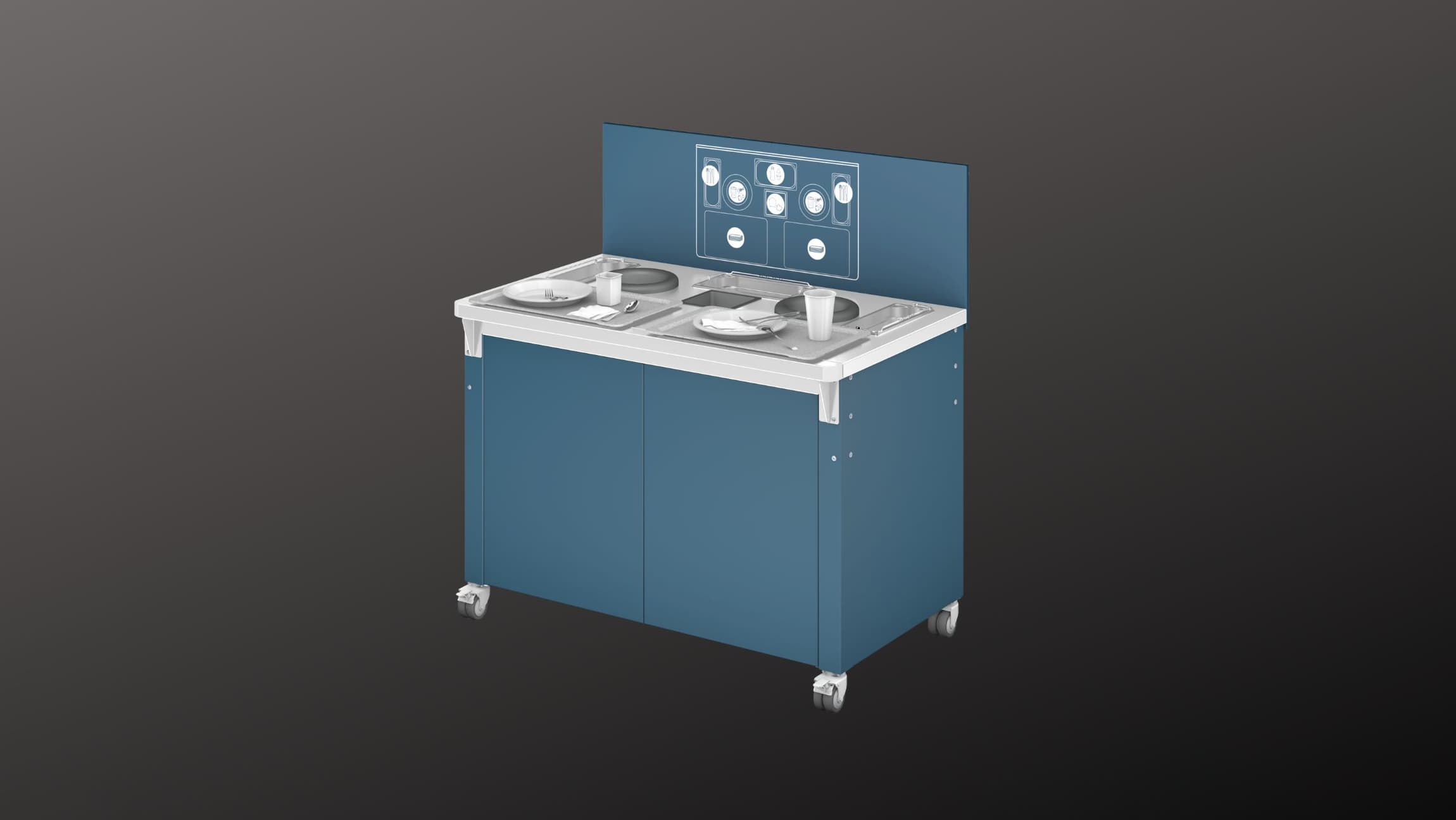
The process is deliberately kept simple and follows a child-friendly choreography. The tray is first placed on the sturdy cover. From there, the station guides users in a step-by-step approach: Food waste, recyclables and paper each have clearly recognisable openings and, depending on the model, cutlery sorting is also integrated.
The pictograms act like small signposts that guide users through the process without anyone having to explain where things belong. "We designed the station from a child's perspective," stresses Patrick Hilpp, Head of Product Management. "The aim here is to provide orientation without anyone having to intervene."
The clearly defined openings ensure that sorting remains traceable – a key aspect, for example if waste separation has to be documented and checked in future.
The background to this is the Waste Framework Directive (EU) 2025/1892, which sets binding reduction targets: by 2030, food waste in schools, households, retail and catering is to be reduced by 30 per cent per capita, and by 10 per cent in processing. At the same time, the requirements for the separate collection of recyclable materials are increasing. For institutions, this means specifically improving sorting processes and reducing incorrect disposal. The BASIC LINE sorting station creates practical conditions for this.
Sorting as a learning process – the educational benefit
Anyone observing the BASIC LINE sorting station in use will quickly recognise its educational value. Children develop a routine for returning crockery, waste and other items, and the act of sorting becomes a visible sign of independence and responsibility – especially with regard to food waste. "The children learn why their actions are important," comments Patrick Hilpp. "This helps them acquire skills that have an impact far beyond the canteen."
Improvements for kitchen and housekeeping teams
Particularly in times when personnel resources are under pressure, it is important to minimise sources of error and walking distances. The waste containers in the underframe are large-volume, individually removable units with guide rails that are positioned precisely under the respective chutes. Waste ends up where it belongs – without the need for transfers or resorting measures.
The hinged doors that open and close only from the operator side keep the area tidy, protect the containers from unauthorised access and ensure a clear overall appearance. The BASIC LINE sorting station is ideally complemented by a serving trolley or tray clearing trolley, which can be used to transport dishes, glasses and trays quickly and efficiently to the dishwashing area after the sorting process.
Why model diversity and design are crucial
The BASIC LINE sorting station is available in standard height (900 mm) and as a kids version (750 mm), allowing the workflow to be ergonomically optimised at both daycare centres and schools. Thanks to the option of selecting one to three waste chutes, it can be adapted to different sorting requirements – from simple residual waste/recyclables separation to differentiated fractions such as paper or serviettes. The B.PRO colour scheme supports the structure here: Colours facilitate orientation and can be used deliberately in order to guide groups.
Optional rear panels or raised edges complement the system at the rear – ensuring that the station appears visually closed, waste cannot get behind the equipment and the sorting logic remains clear for children.
.jpg&w=3840&q=75)
Conclusion: Structure as the key to successful everyday canteen operations
The BASIC LINE sorting station combines function, education and sustainability in one module. It makes the process easier for children, lightens the load on teams and helps satisfy both legal requirements and internal quality standards in equal measure. For organisations, this delivers a solution that can be seamlessly integrated into existing concepts, creates planning security and visibly strengthens modern, professional canteen practice.
Would you like to know more?
 B.PRO and football – a perfect team effort
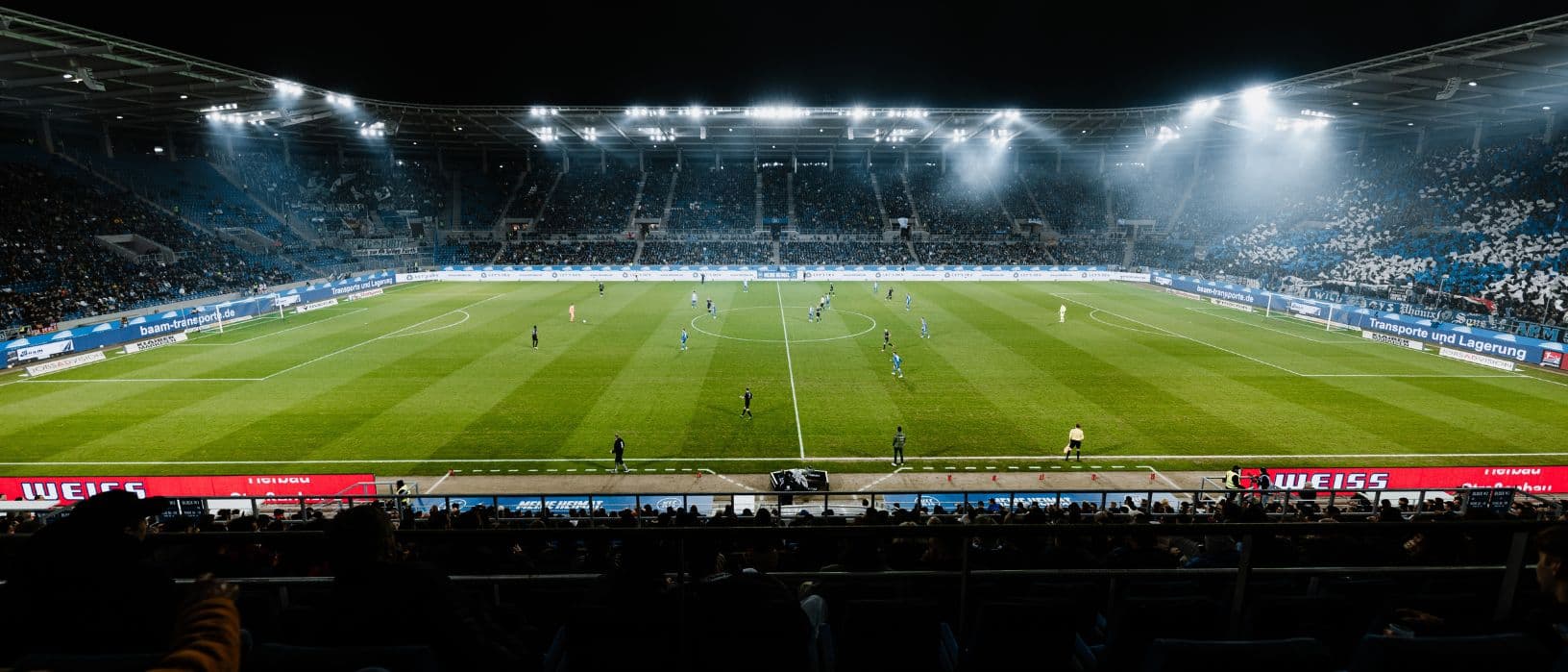
When the whistle blows in the stadium, a logistical masterstroke begins behind the scenes: Kitchen teams have to cater for hundreds or even thousands of guests at very short notice, reliably and flexibly. B.PRO has been supplying the right catering equipment for this for years and has thus established itself as a sought-after partner in professional football
 World Cup catering in numbers
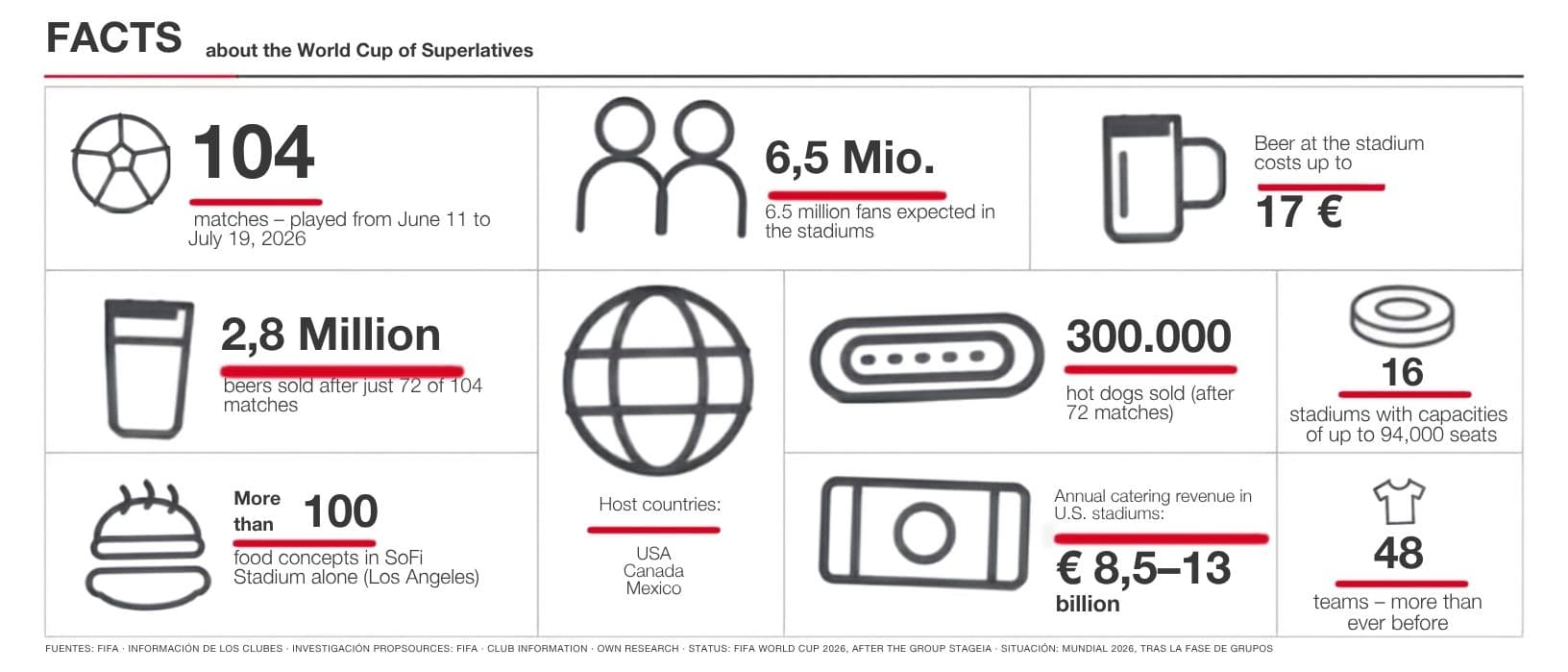
104 matches, three countries, more fans in the stadiums already than expected: The 2026 World Cup is the biggest football tournament in history – and in catering and hospitality too, new benchmarks are currently being set there. B.PRO provides an overview of the key figures and facts on World Cup catering
 World Cup 2026 - Challenges and Opportunities in event catering
The 2026 FIFA World Cup is intensifying a trend that has long been noticeable in event catering. Factors such as fluctuating guest numbers and rising costs turn every event into an operational calculation exercise. But there are solutions