
Areas where potential can now be leveraged
A recent survey conducted by the Association of German School and Daycare Caterers (VDSKC) indicates that cost pressure remains a key issue in school and daycare catering. This makes it all the more important to focus on structures to reduce this pressure, as well as on securing durable and efficient equipment
For years, everyday school and daycare catering operations have been characterised by rising costs, tight budgets and growing requirements. A recent survey on cost trends in 2025, conducted by the Association of German School and Daycare Caterers (VDSKC), shows just how tense the situation has become. Almost all members report appreciable additional financial burdens.
The results also raise key questions: How can reliable, high-quality and affordable catering for children be ensured in the long term under these conditions? On the one hand, this is a political challenge. On the other hand, there are also concrete levers that caterers, organisers and local managers can use to relieve the burden on processes and get a better grip on both costs and labour in day-to-day operations.

Figures that leave little room for manoeuvre
The results of the survey are clear: The economic situation in school and daycare catering remains challenging. Indeed, some 98 percent of providers again report an increase in operating expenditure in 2025, with total expenditure rising by an average of 8.8 percent (2024: 11 percent). The areas of personnel, food purchasing, repairs and operating resources are particularly affected.
However, the restrained price evolution is also worthy of note here. Although 63 percent of caterers have adjusted their portion prices, the increases are moderate. The average price of primary school meals has even fallen slightly. At the same time, 40 percent of those surveyed reported an increase in cancellations. Many families are apparently keen to save on school and daycare centre meals – even though these meals also represent an important social factor.
Comparable services, different requirements
Added to these factors are structural framework conditions that are further increasing cost pressure. To date, there are no uniform nationwide standards for school and daycare catering in Germany. Concepts such as state subsidies, tendering criteria or quality requirements differ, sometimes quite significantly. In some areas, caterers are only expected to deliver, while in others they are expected to finance services such as canteen equipment or kitchen appliances themselves. Differences between Germany's "Bundesländer" states in terms of minimum wages also have a direct impact on profitability and therefore pricing.
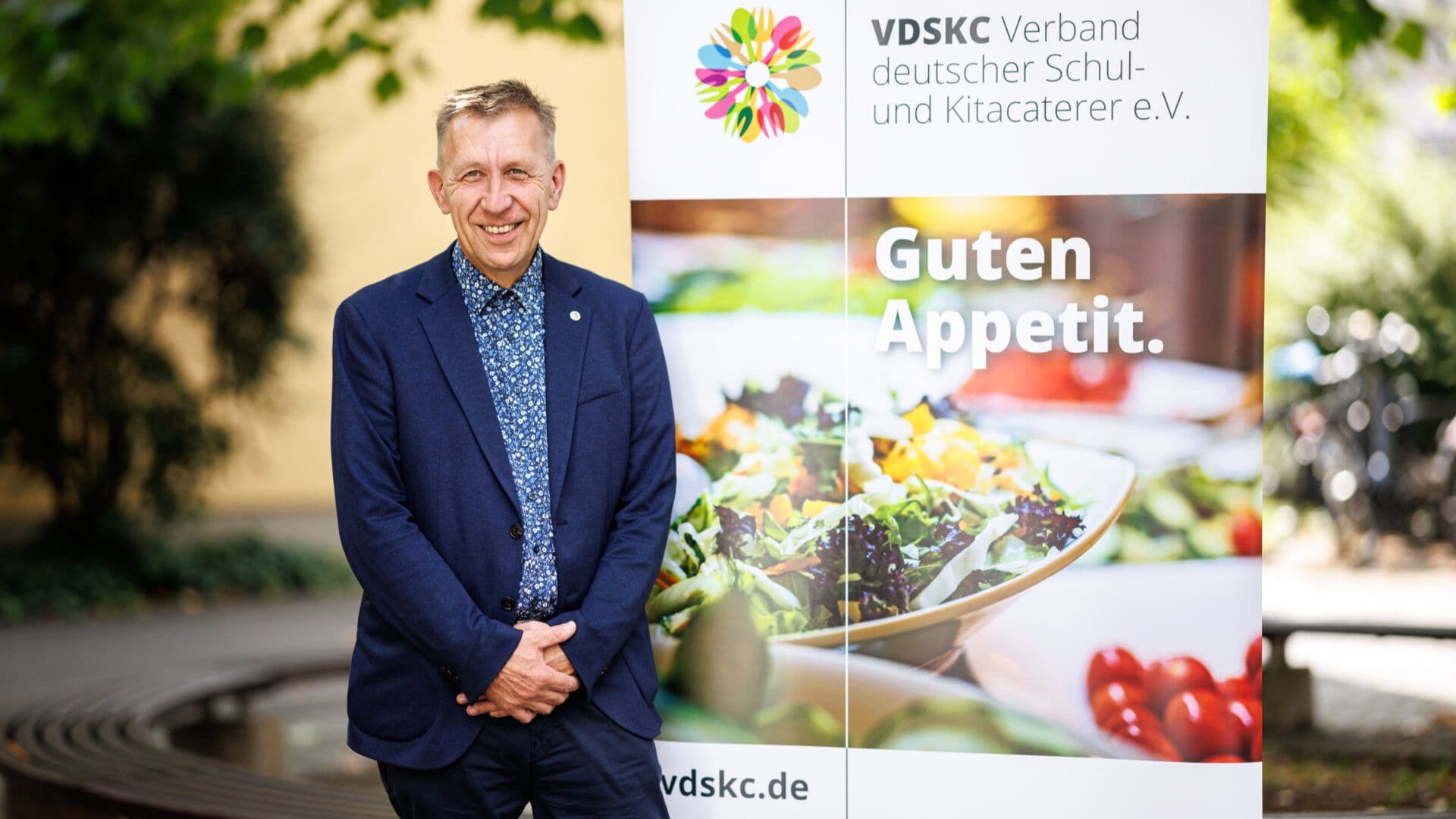
This results in an uneven playing field, i.e. provision of comparable services but under very different conditions. For many providers, this not only makes costing more difficult, but also complicates long-term investment and planning security. "We need stable and standardised framework conditions, as well as fair funding, for children's catering in Germany," emphasises Ralf Blauert, 1st Chairman of the Association of German School and Daycare Caterers (VDSKC). "This is the only way we can achieve true educational equality."
Cost reduction through efficient measures on site
Against this backdrop, focus is shifting to the areas that can actually be influenced in ongoing operations.
- Simplifying serving processes - Clear, self-explanatory processes take the strain off staff – especially at peak times. The more intuitively the serving area is designed, the fewer interventions are required and the smoother everything runs.
- Strengthening children's independence - Serving concepts at eye level promote orientation and self-efficacy. This reduces waiting times. It also raises awareness of food waste, which conserves resources of all kinds.
- Robust infrastructure rather than short-term solutions - Durable equipment that is designed for everyday use reduces repair and replacement costs. Above all, investments pay off where systems are used heavily on a daily basis.
- Plannable processes and modular concepts - Repeatable, modular concepts simplify costing and tendering. They give caterers and organisers greater security when reaching long-term decisions.
Serving concepts and return systems from B.PRO
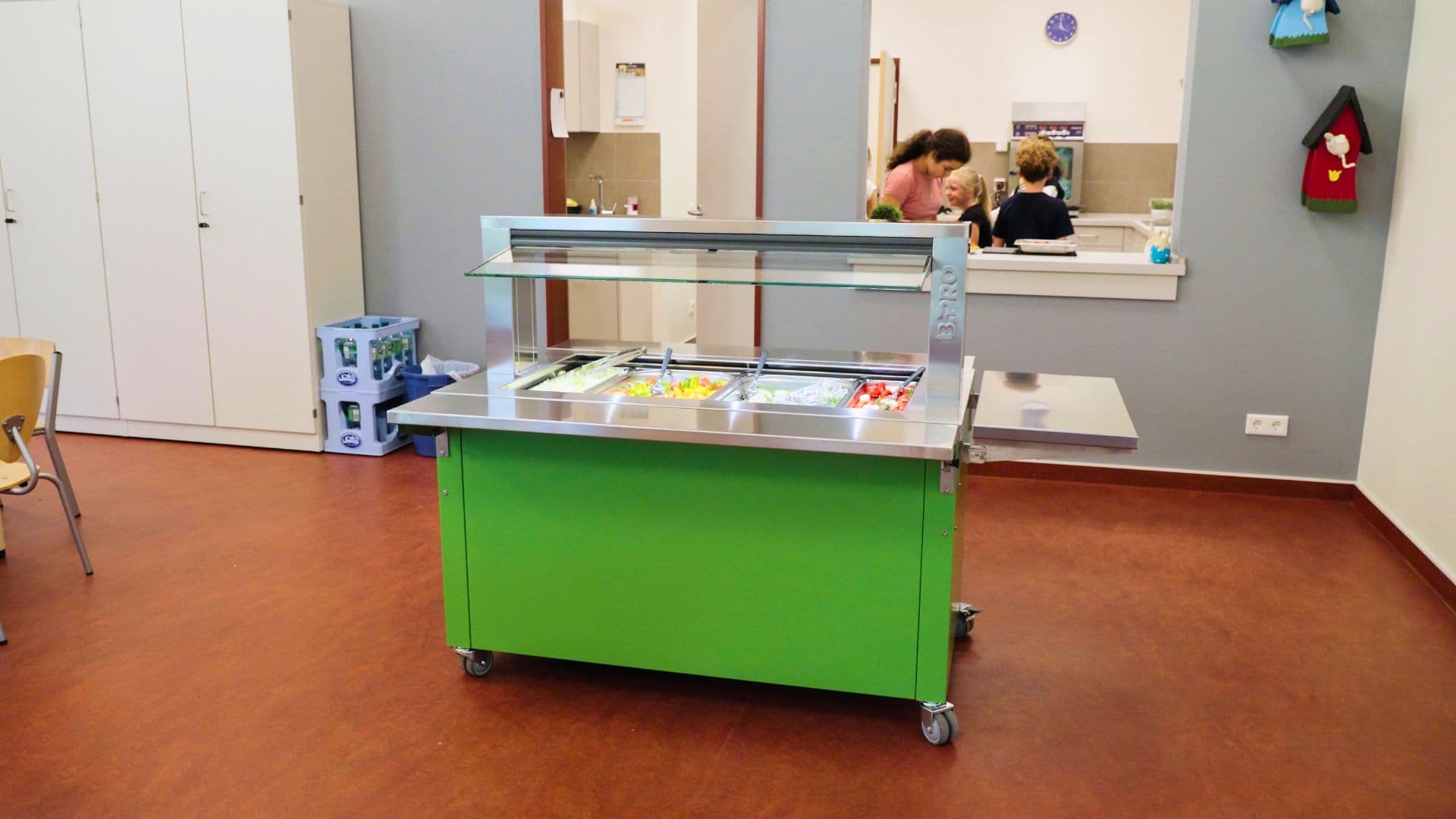
Concepts that take a holistic approach to processes show how these principles can be implemented in everyday operations. Modular serving lines such as the BASIC LINE Kids, available in heights of 750 and 900 mm, structure the process, reduce staff workload and enable independent serving. Their sturdy, durable design is tailored for daily use and helps reduce both repair and replacement costs in the long term.
Sorting stations, as well as clearly organised return and transport solutions support structured processes after food serving. They provide an overview of operations and help to continuously optimise processes. Durable, resilient equipment also pays off here.
Dispenser systems complement these concepts by simplifying and speeding up the serving and return processes.
Solutions of this kind are supported by the experience of B.PRO experts, who adopt a holistic view when planning and designing serving situations. They not only advise on the selection of suitable systems, but also with regard to current standards, specifications and individual framework conditions on site.
Outlook for 2026
According to the VDSKC, 2026 is unlikely to bring any noticeable relief. Indeed, even the VAT reduction announced at the start of the year will be largely cancelled out by the simultaneous increase in the minimum wage. Some 77 percent of catering companies surveyed therefore expect to have to adjust their prices again in the coming year.
This makes it all the more important to find solutions that take the strain out of day-to-day operations and have a long-term impact. Clear processes, a robust infrastructure and plannable concepts create the stability that all school and daycare catering operations under cost pressure need.
Do you have any questions? Or perhaps you need support?
 B.PRO and football – a perfect team effort
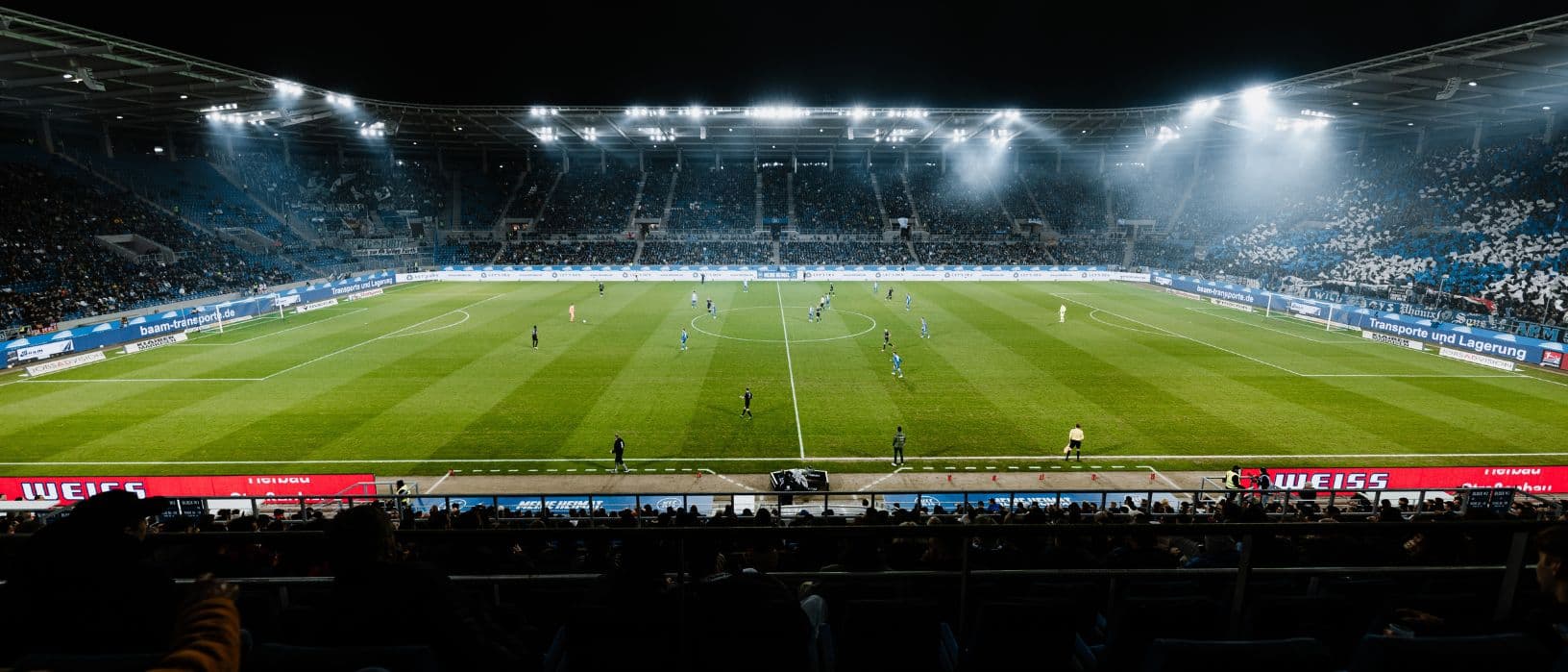
When the whistle blows in the stadium, a logistical masterstroke begins behind the scenes: Kitchen teams have to cater for hundreds or even thousands of guests at very short notice, reliably and flexibly. B.PRO has been supplying the right catering equipment for this for years and has thus established itself as a sought-after partner in professional football
 World Cup catering in numbers
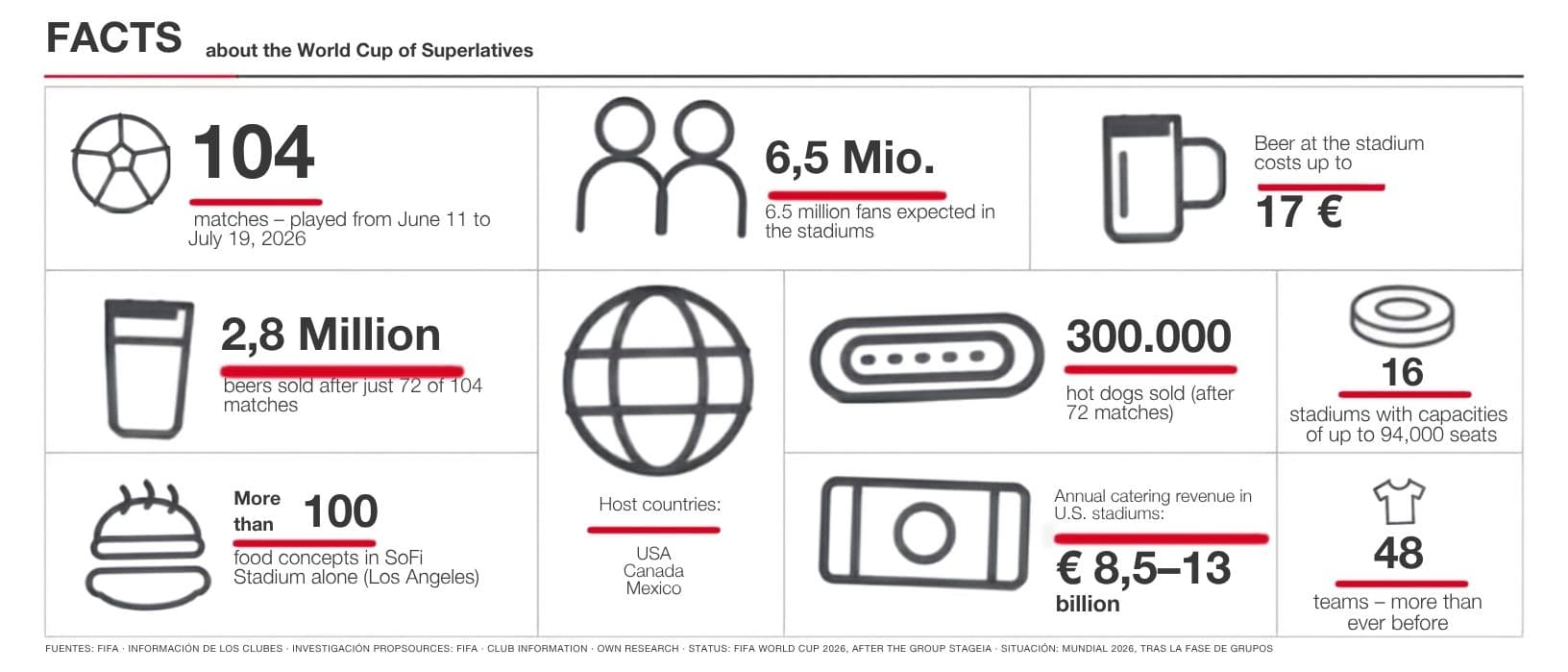
104 matches, three countries, more fans in the stadiums already than expected: The 2026 World Cup is the biggest football tournament in history – and in catering and hospitality too, new benchmarks are currently being set there. B.PRO provides an overview of the key figures and facts on World Cup catering
 World Cup 2026 - Challenges and Opportunities in event catering
The 2026 FIFA World Cup is intensifying a trend that has long been noticeable in event catering. Factors such as fluctuating guest numbers and rising costs turn every event into an operational calculation exercise. But there are solutions